The Mission in Pictures
Team Cannonball, London to Lviv
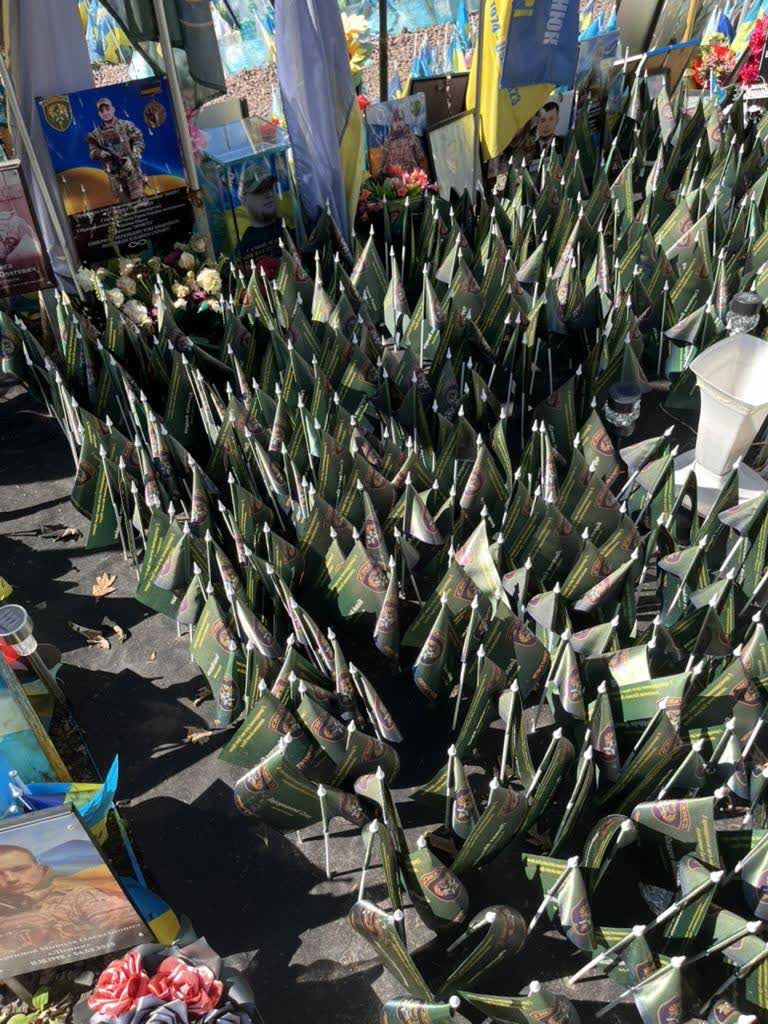
A few moments from the road: the loading, the driving, and the memorial in Ukraine that reminds everyone exactly why convoys like this exist.
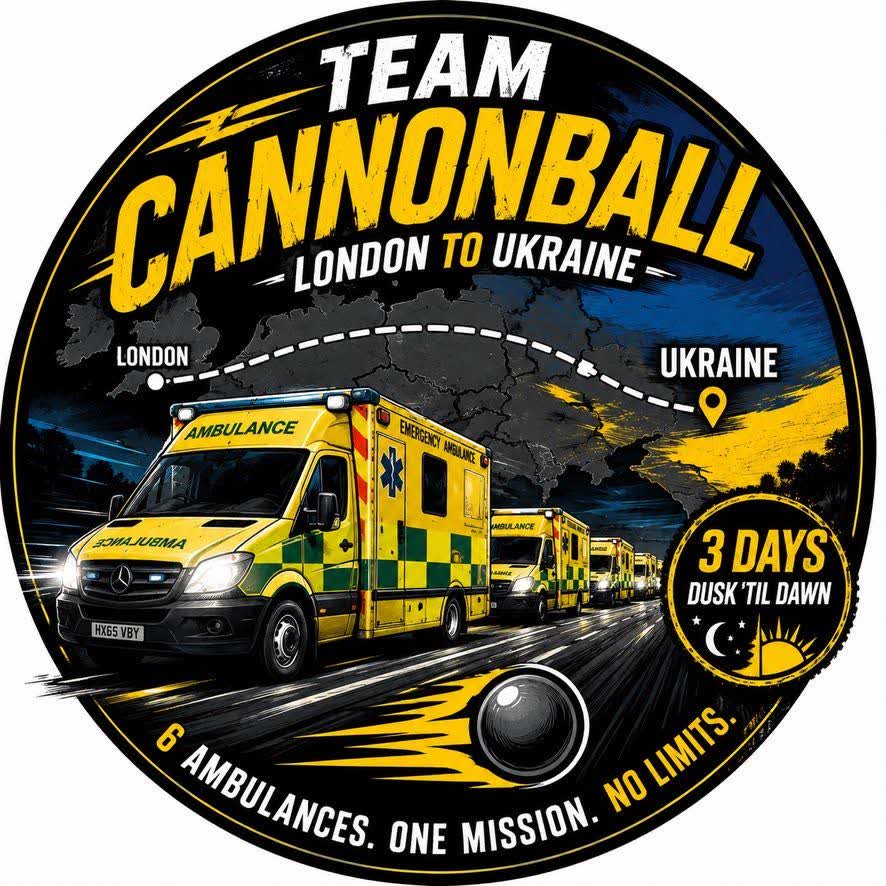
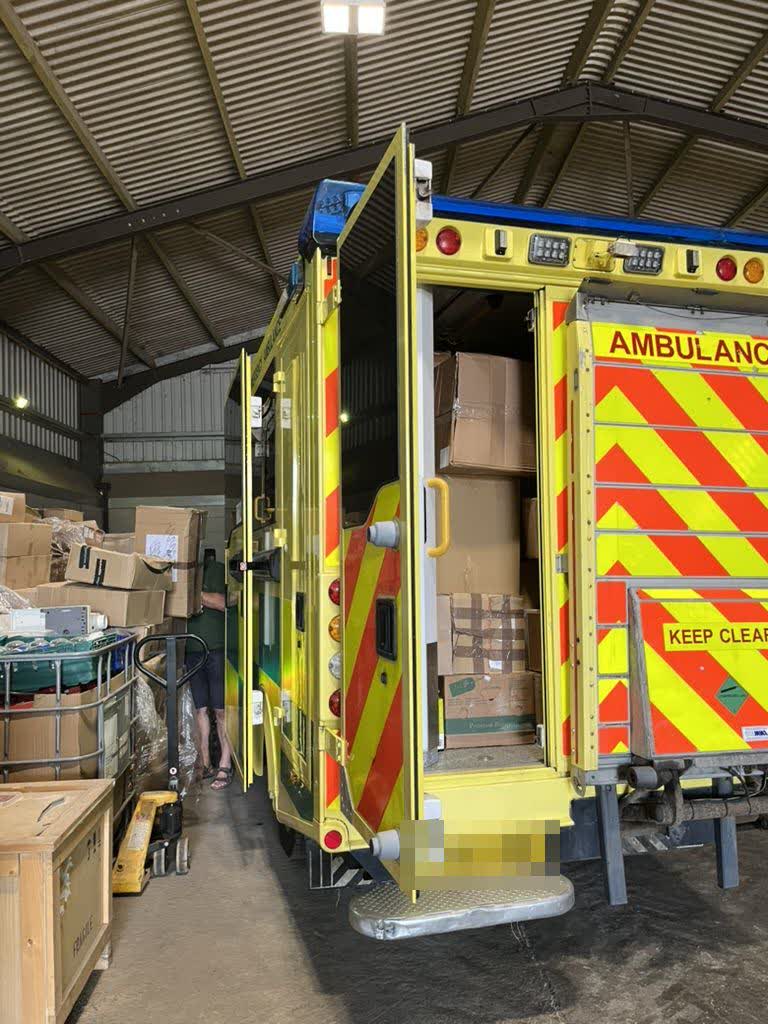
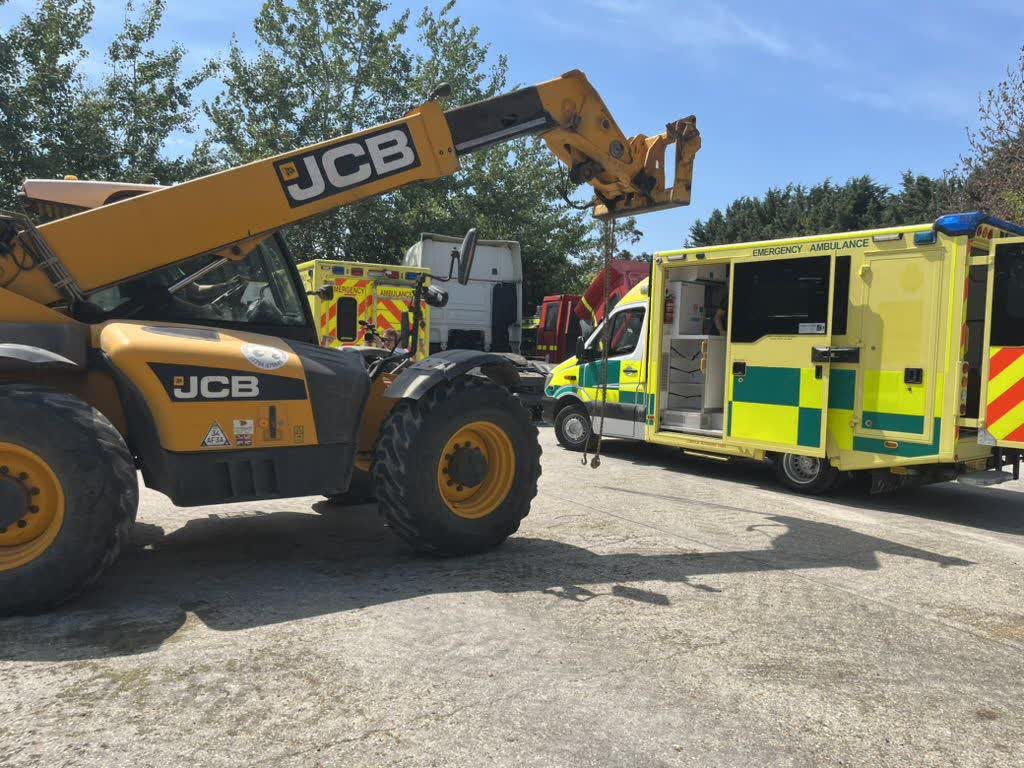
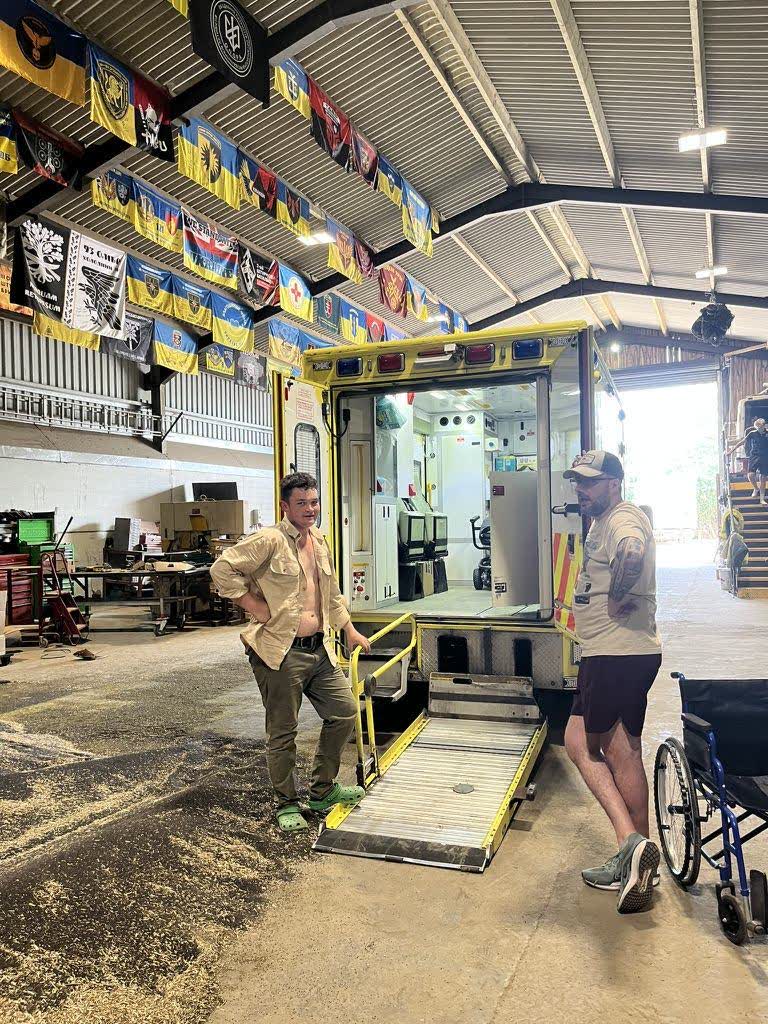
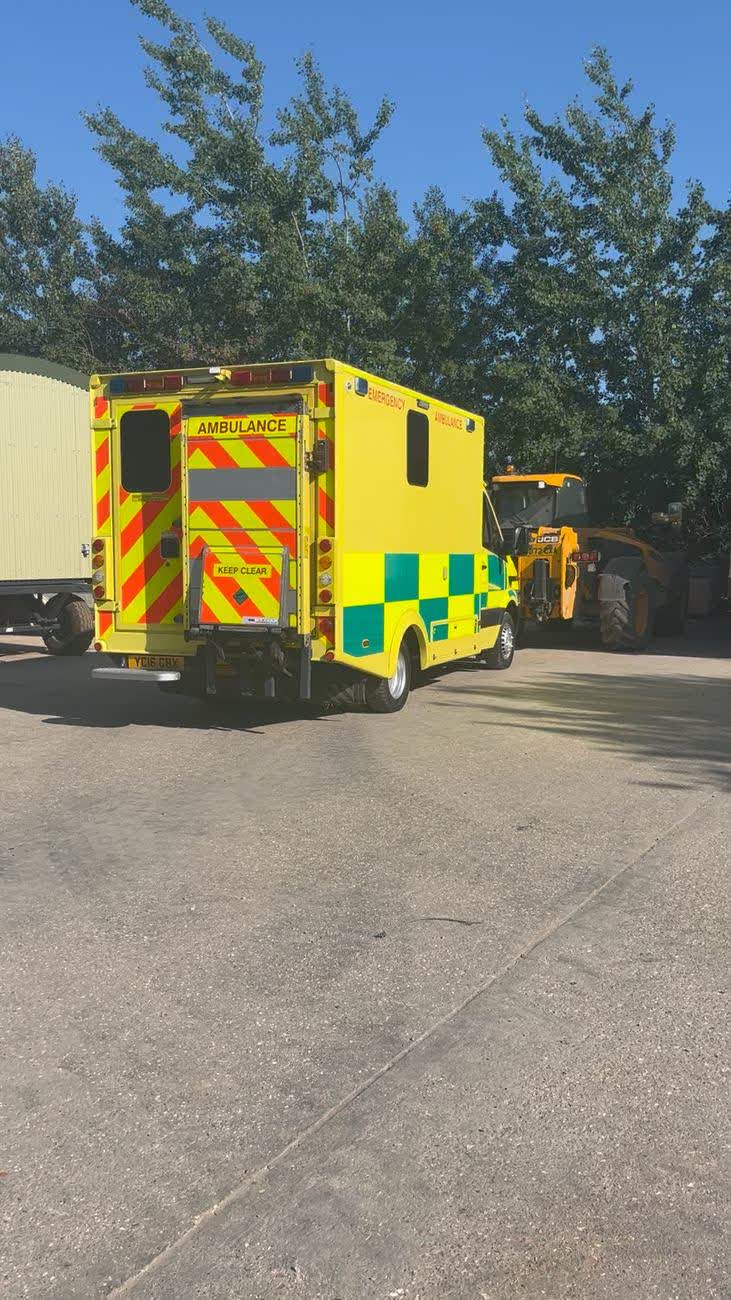
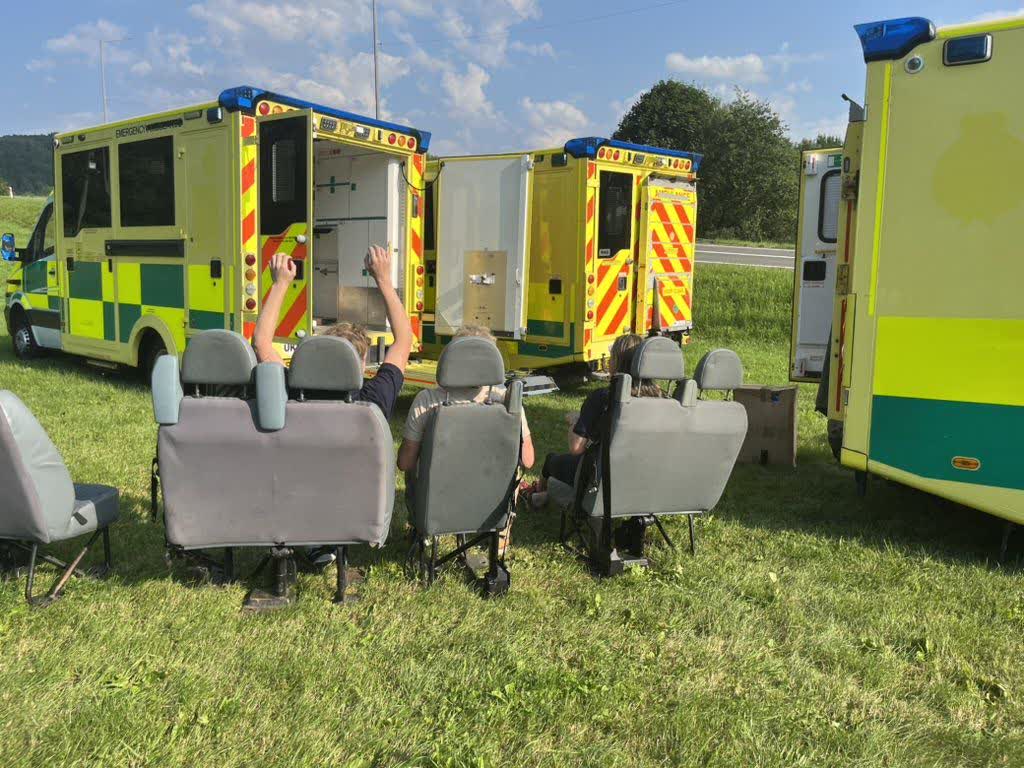
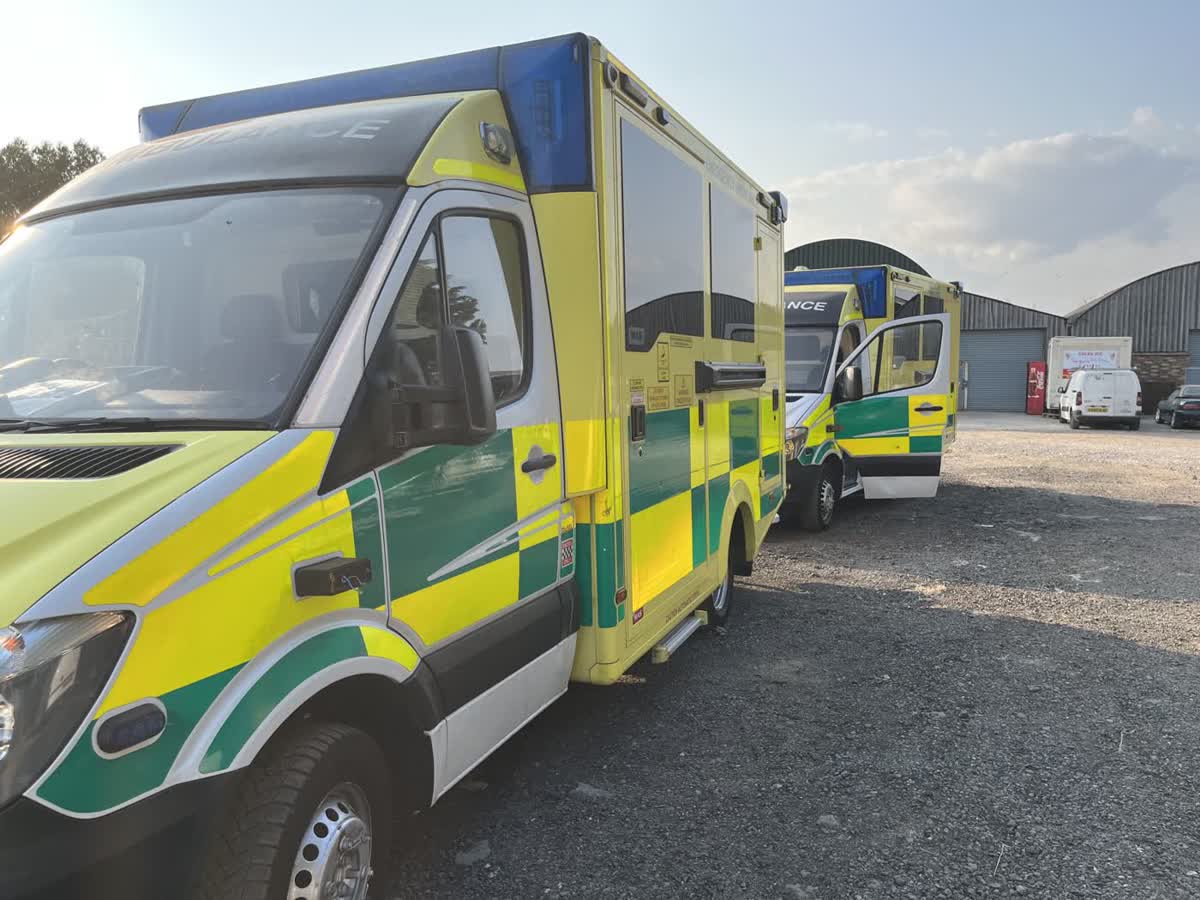
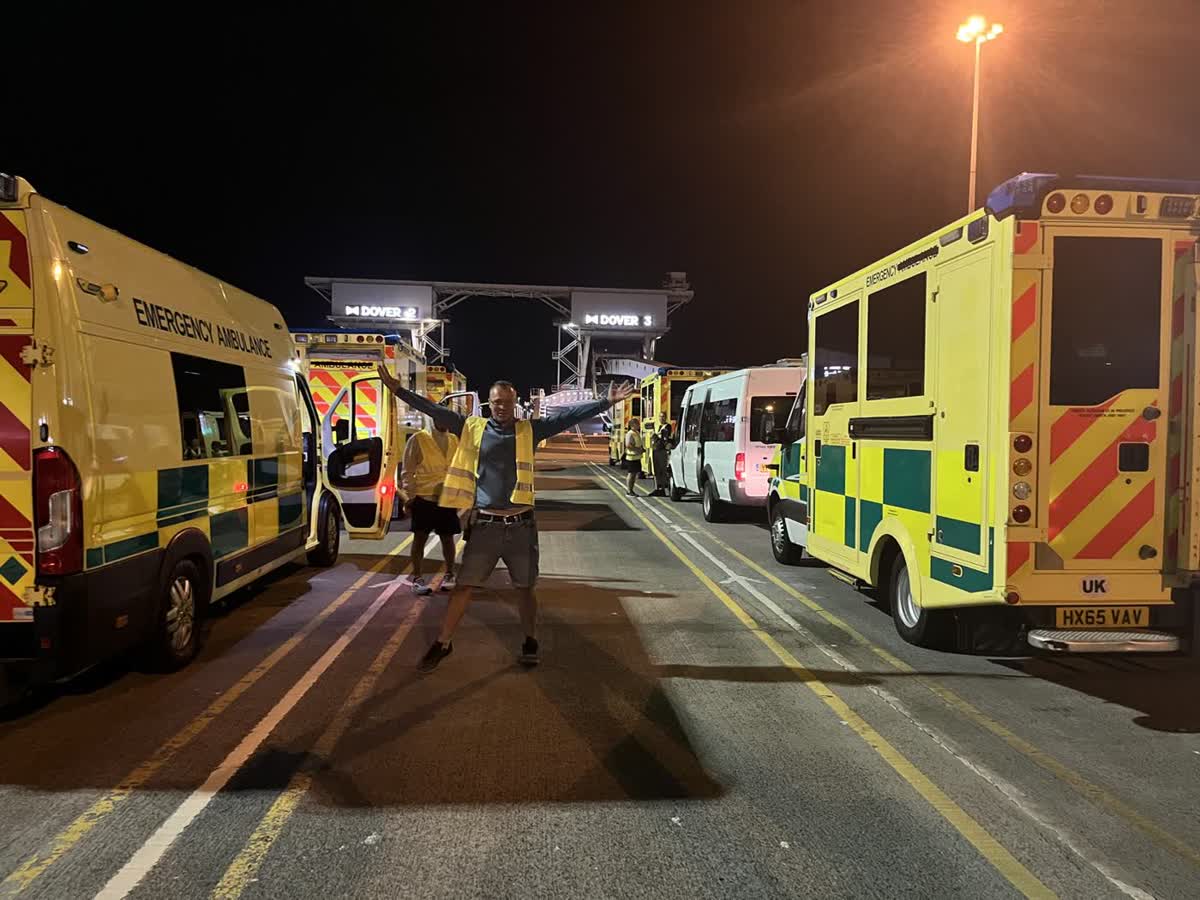
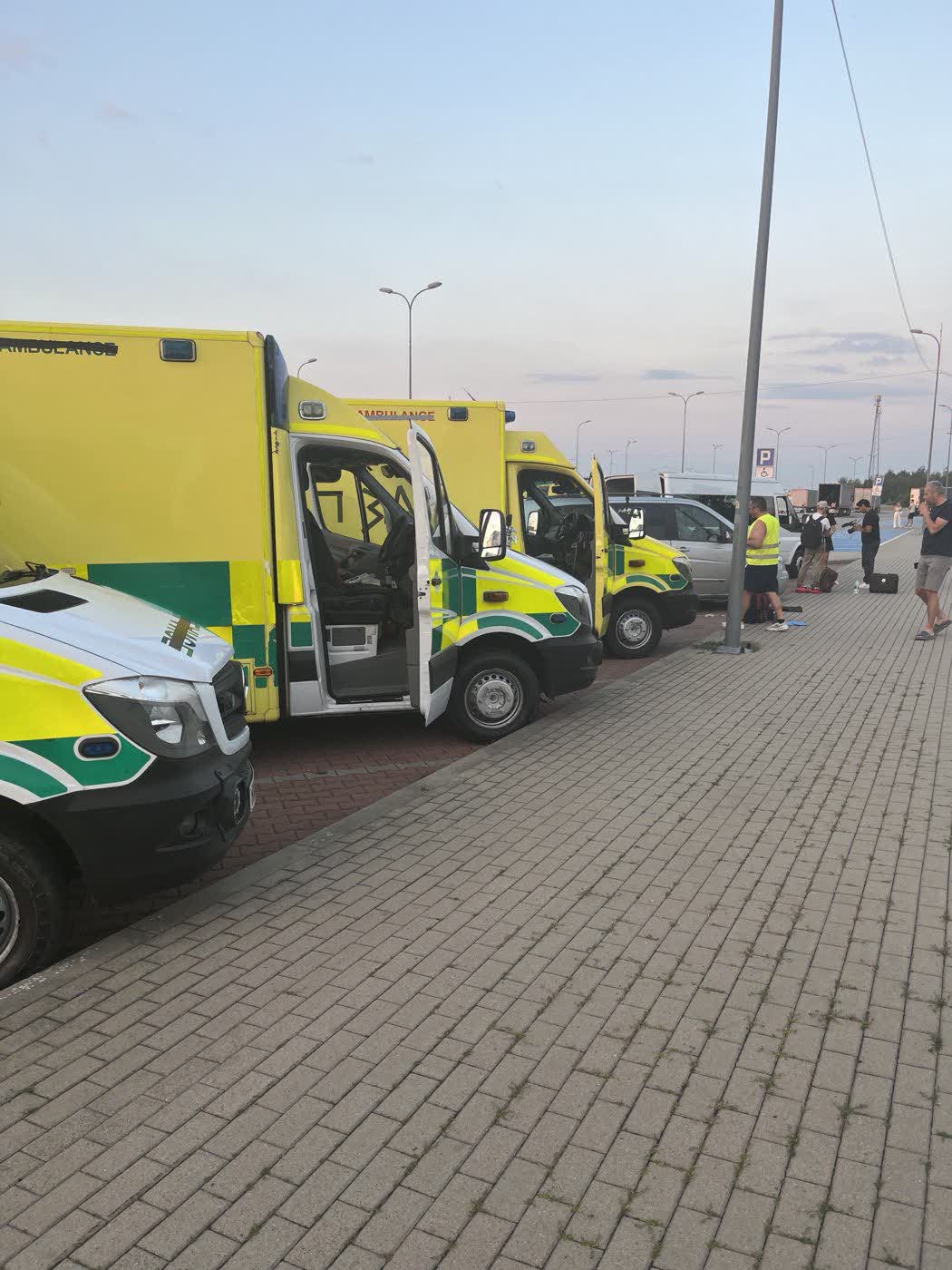
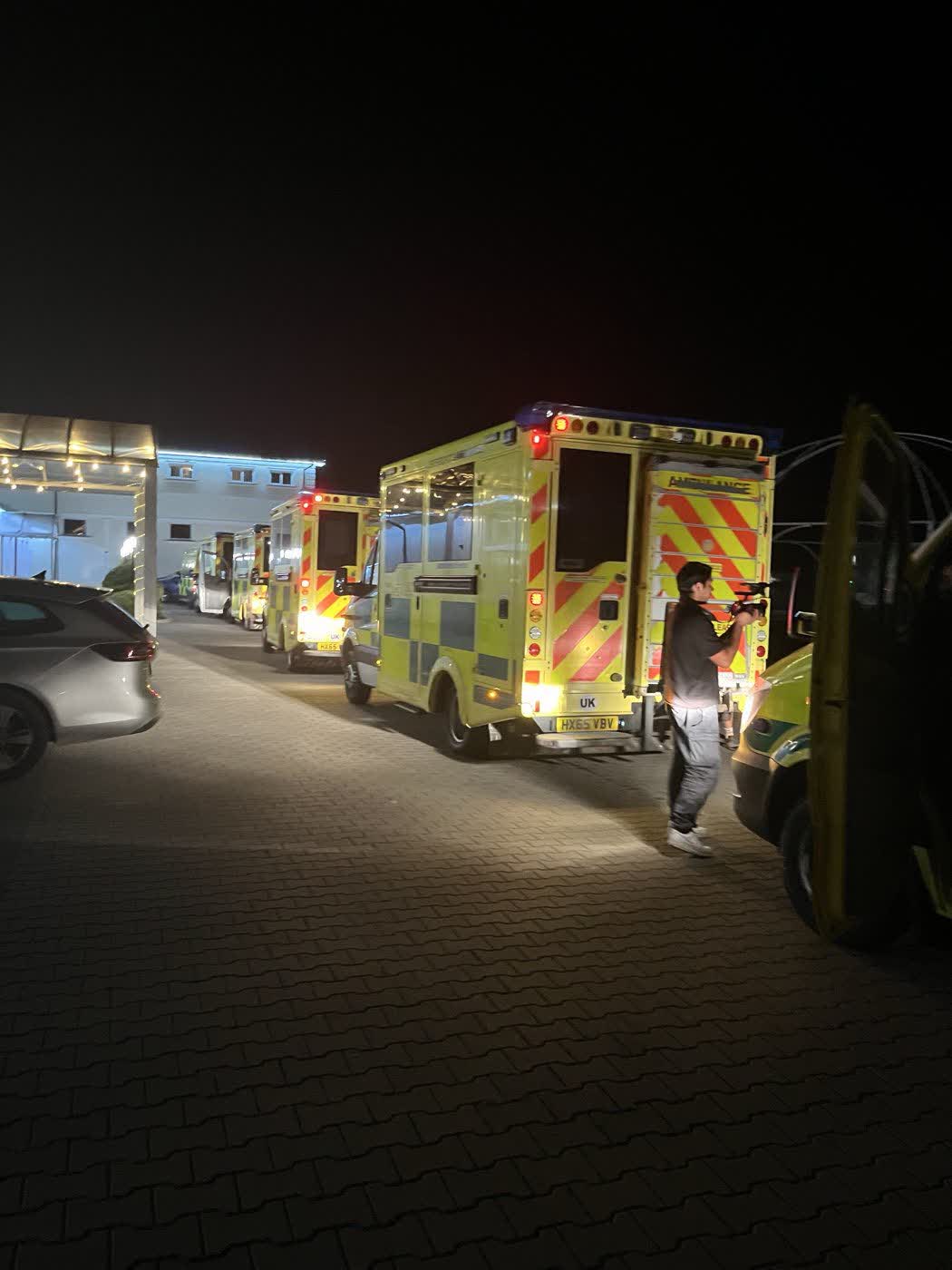
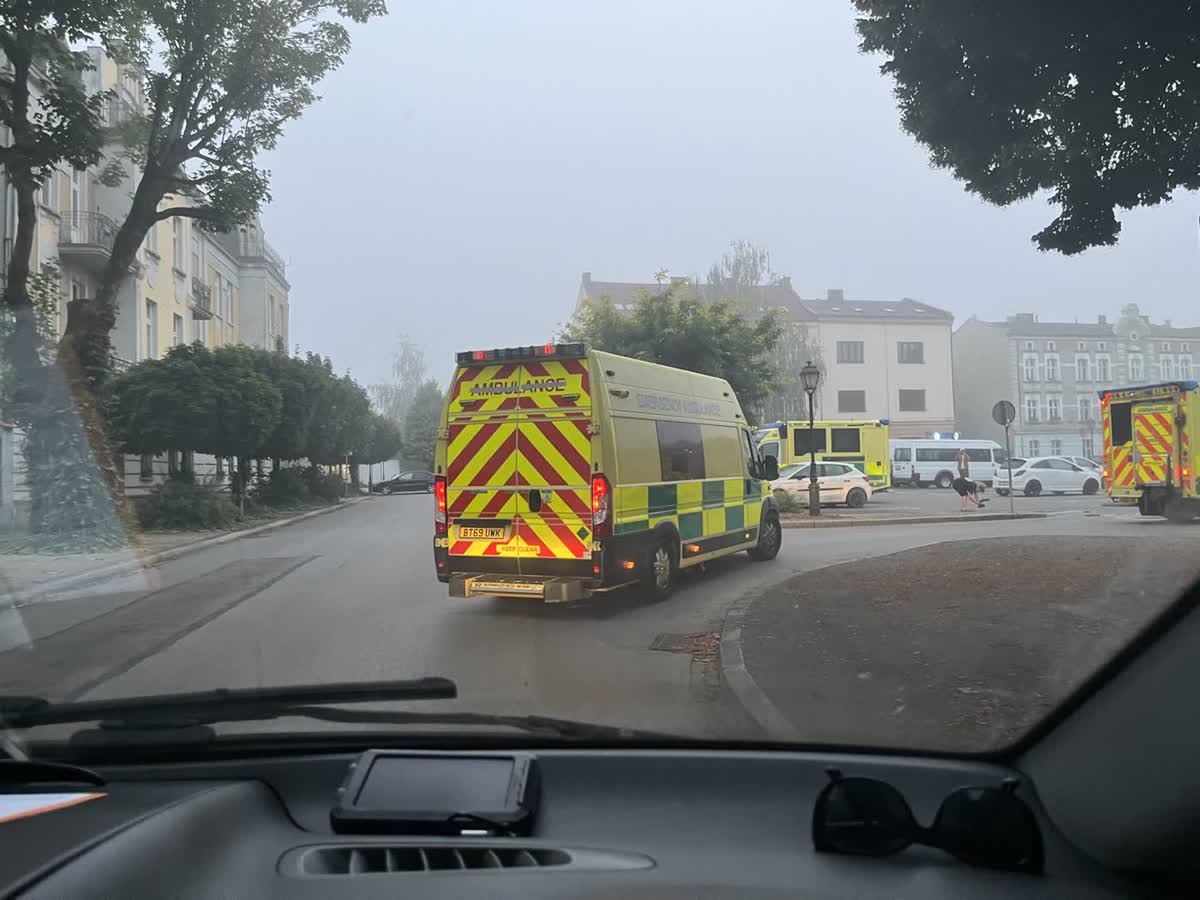
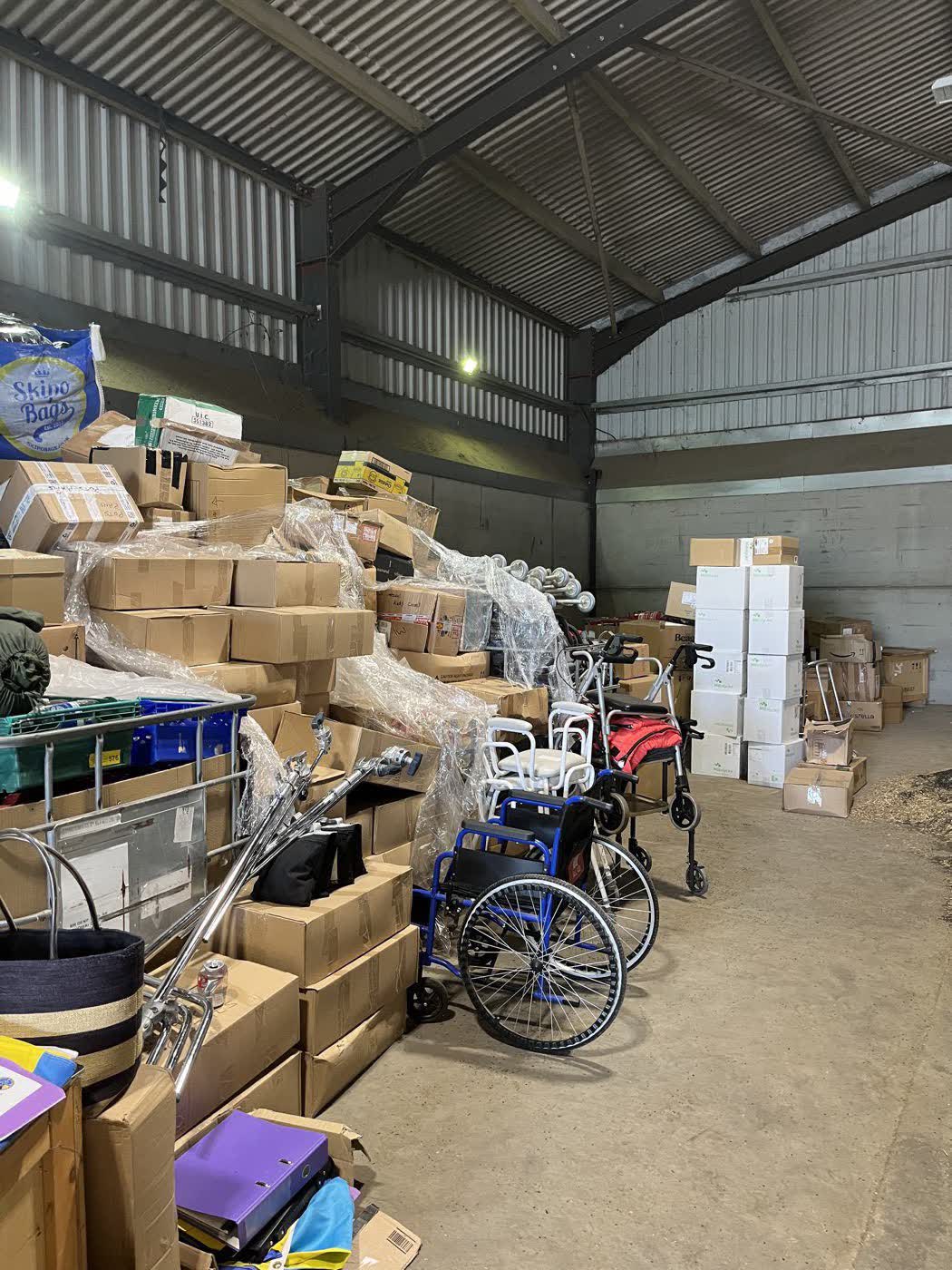
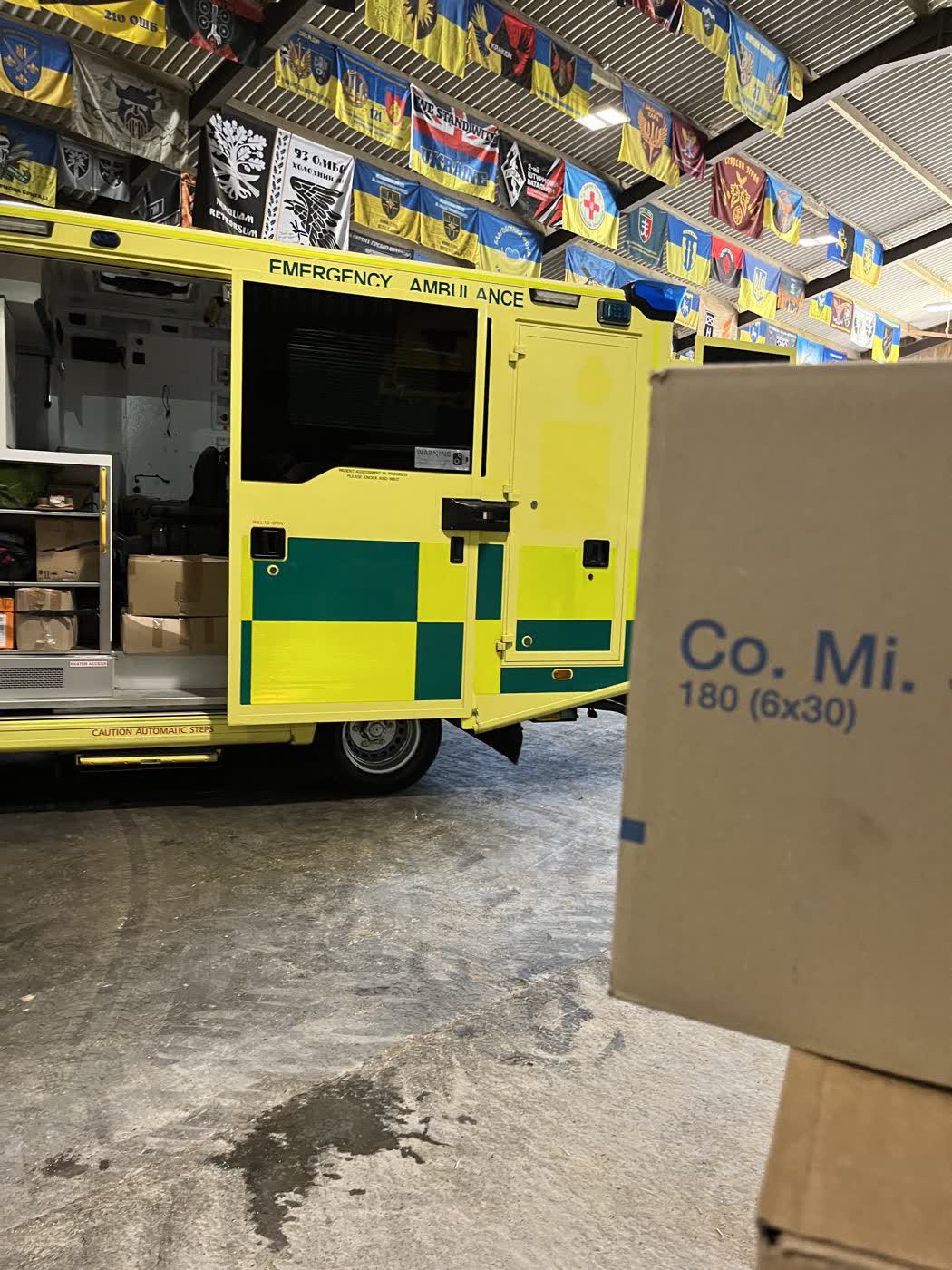
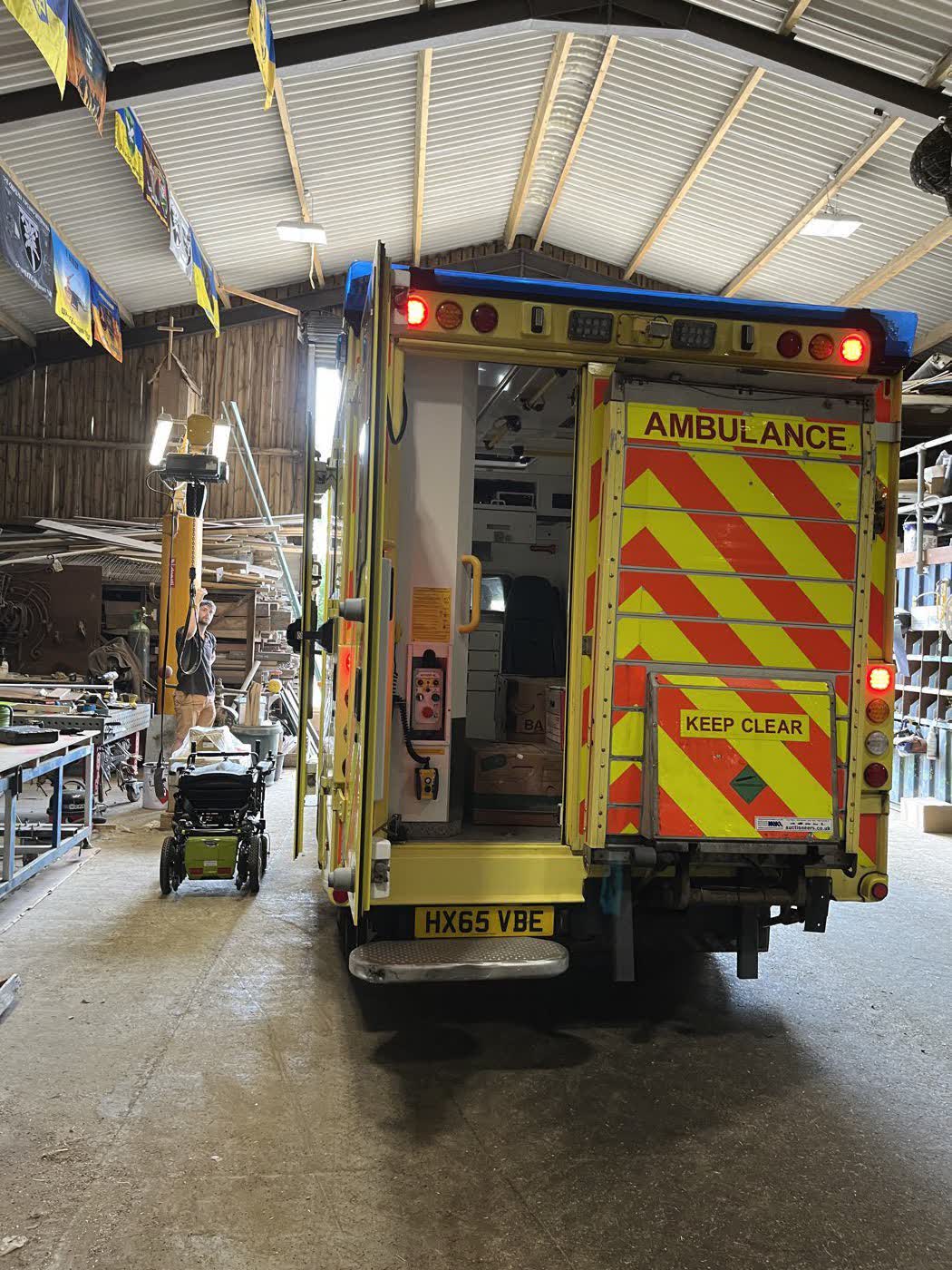
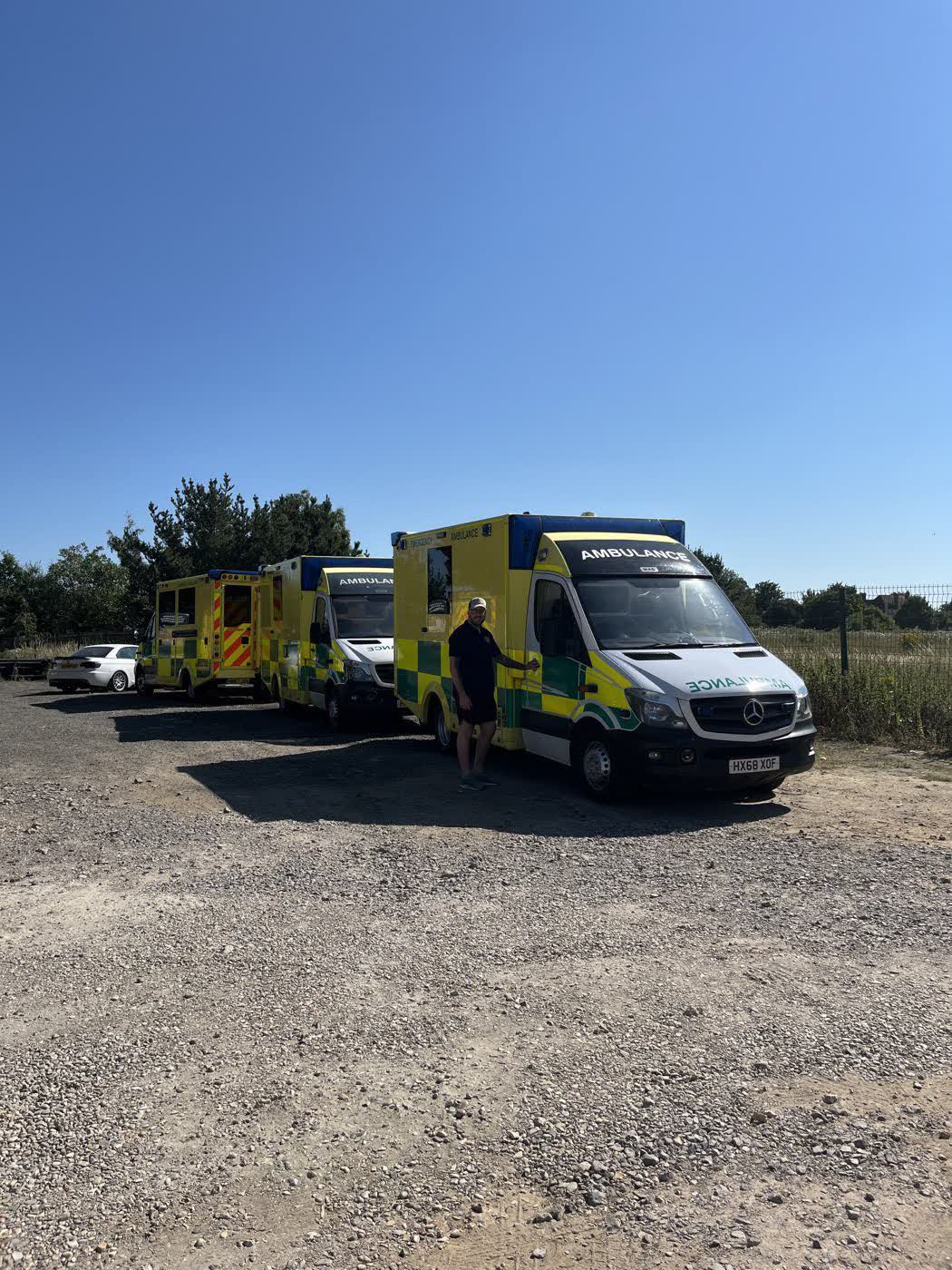
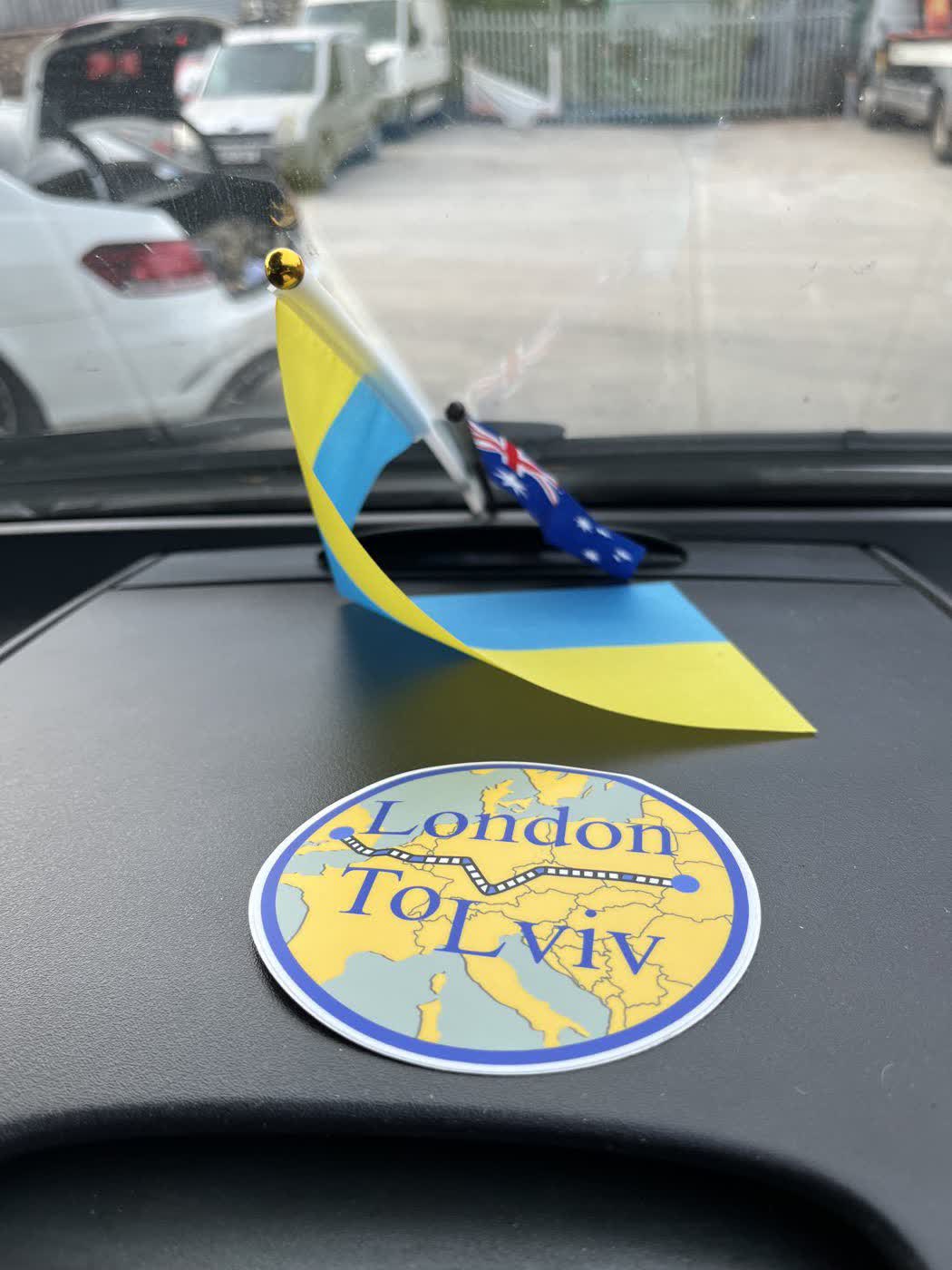
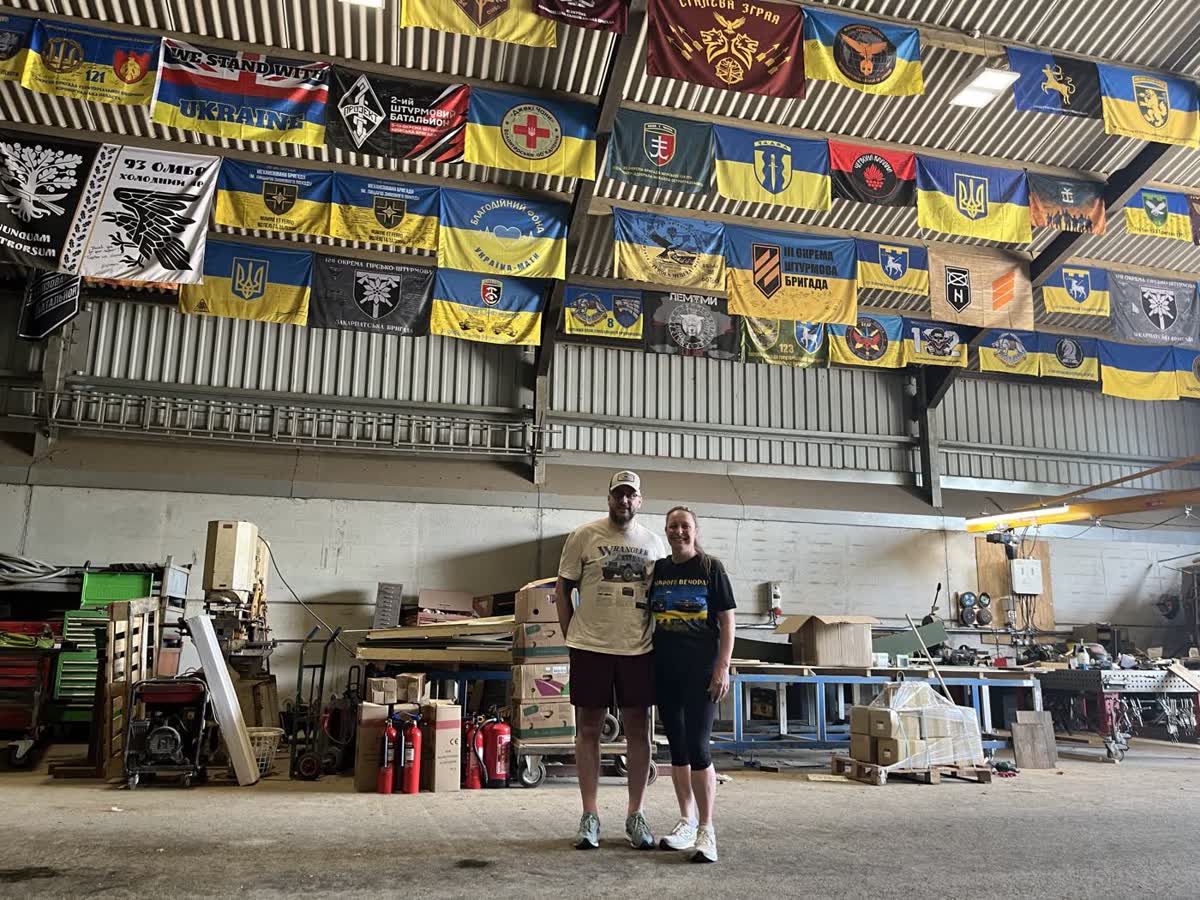
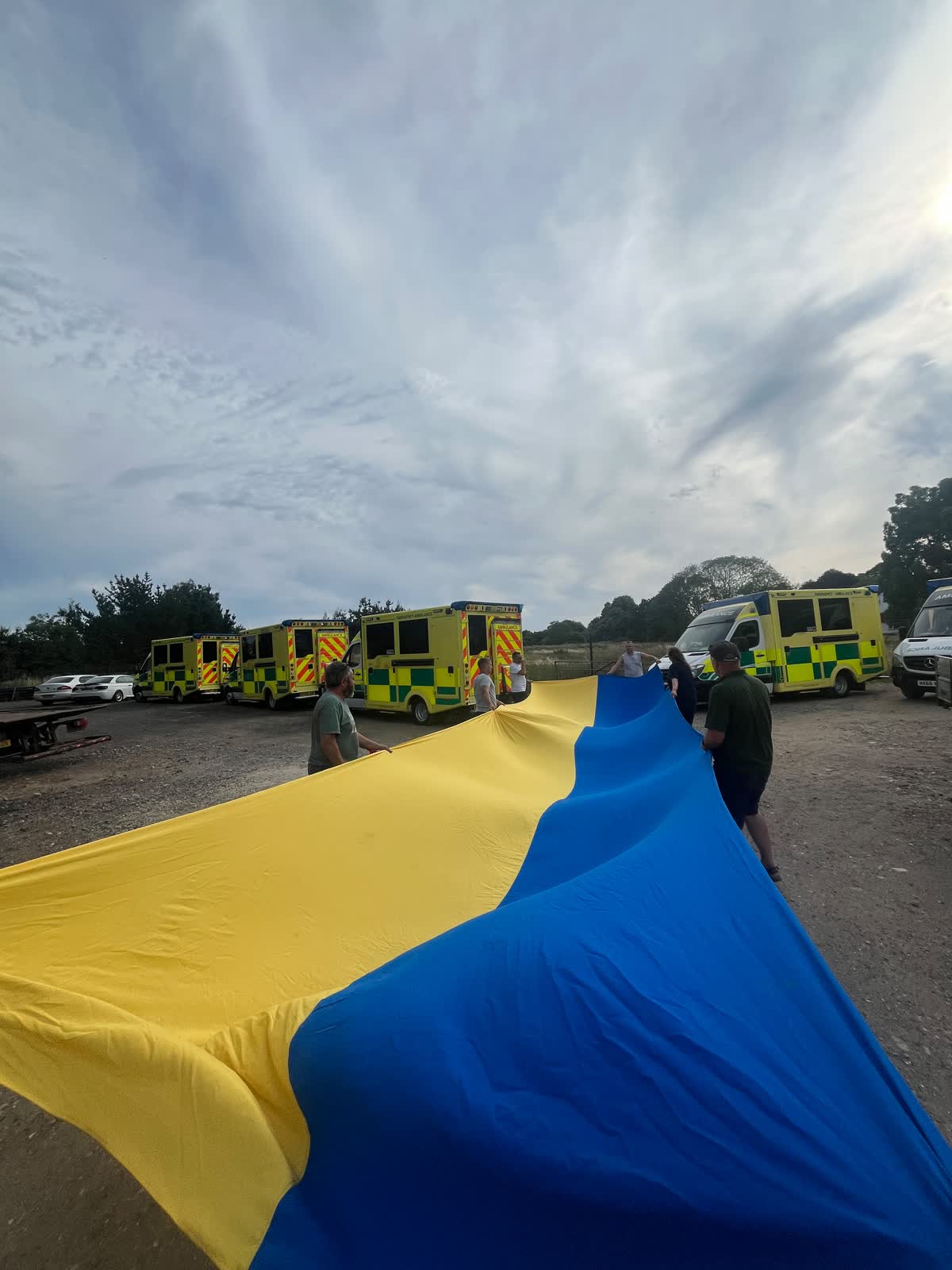
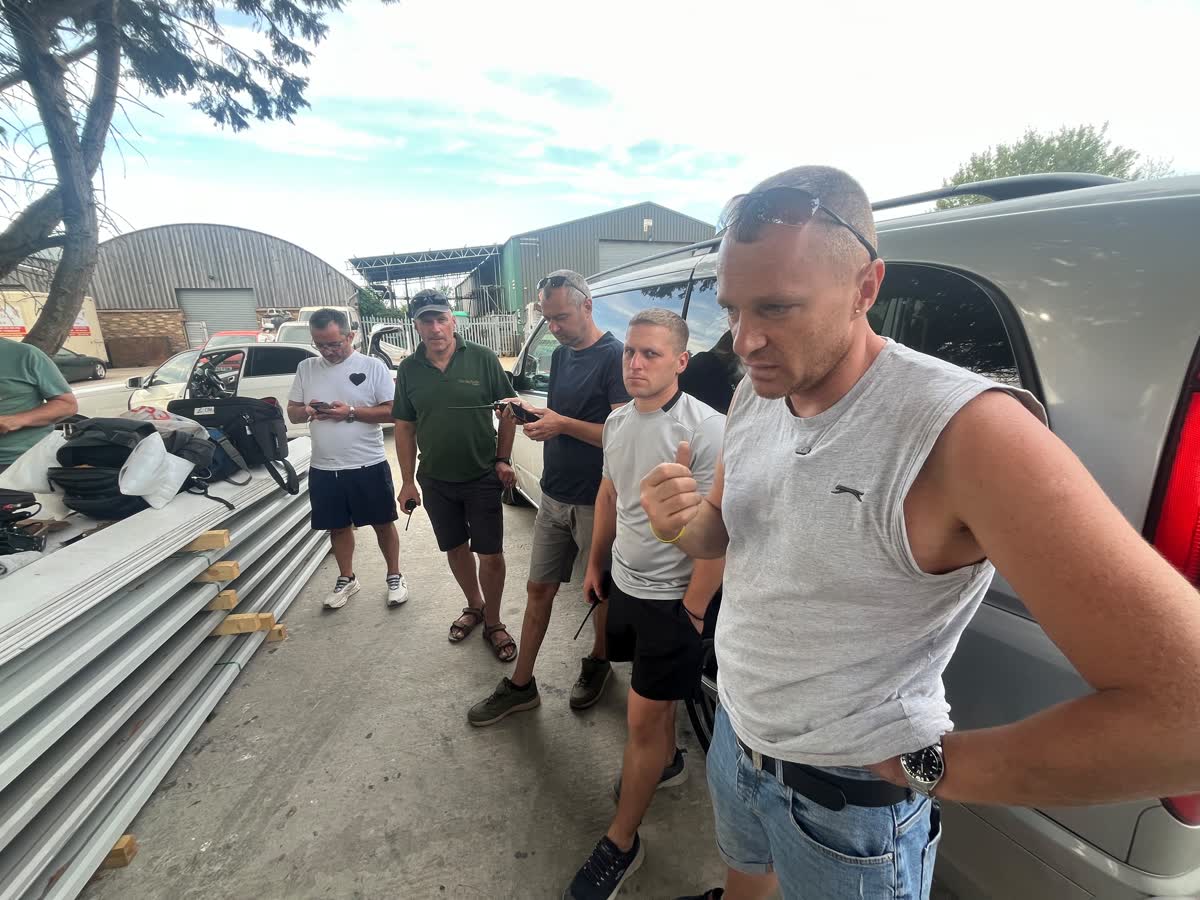
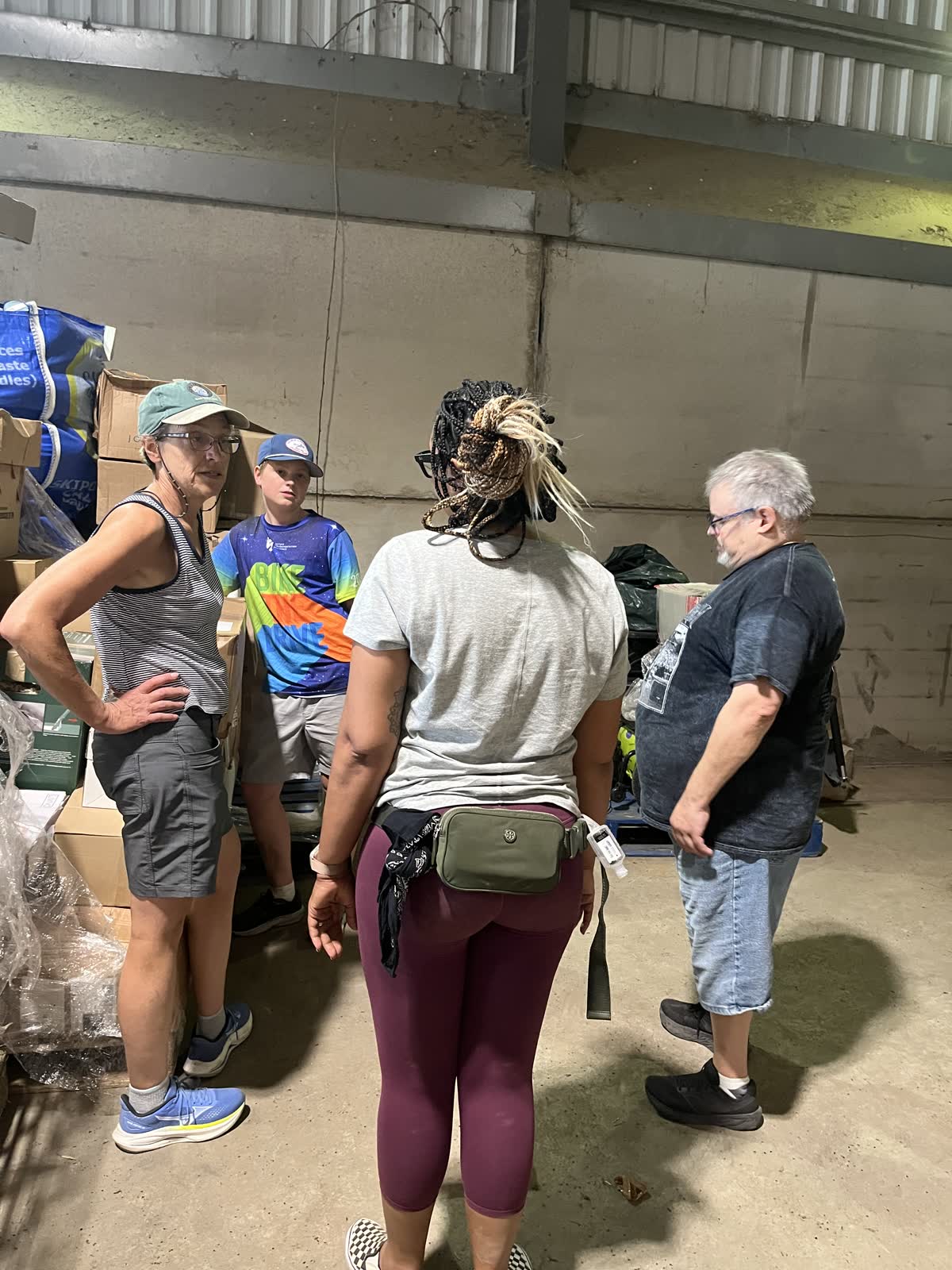
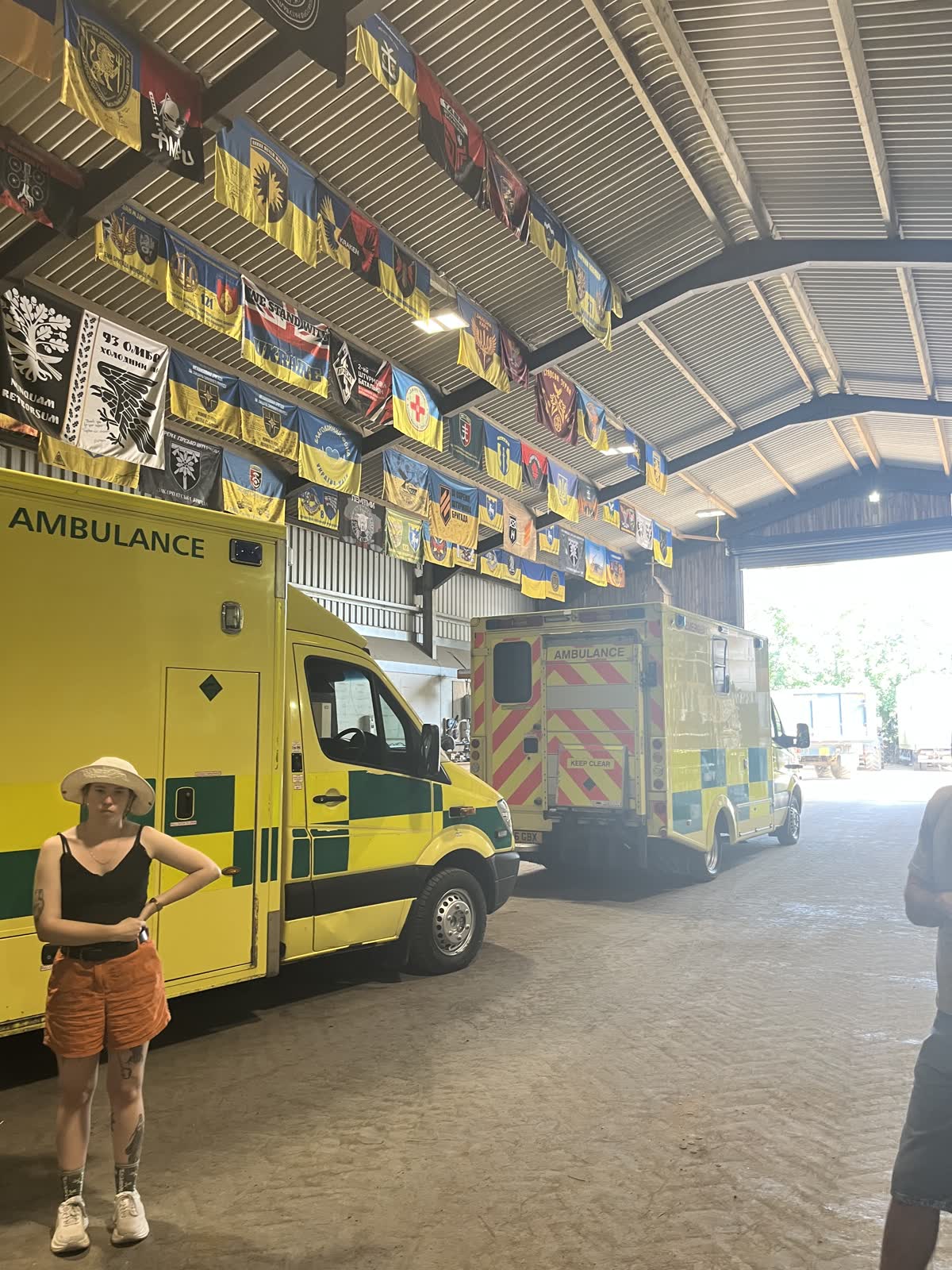
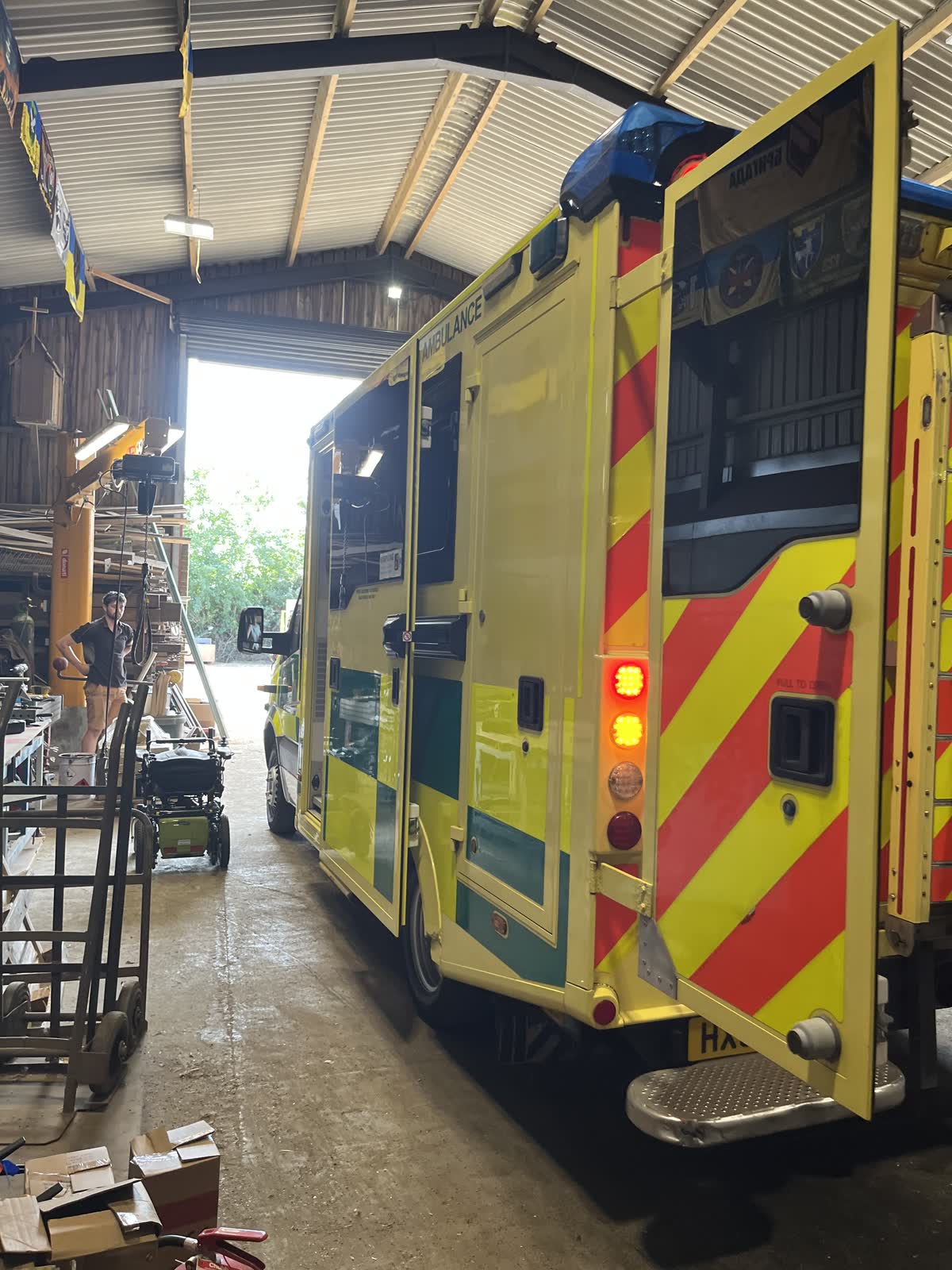
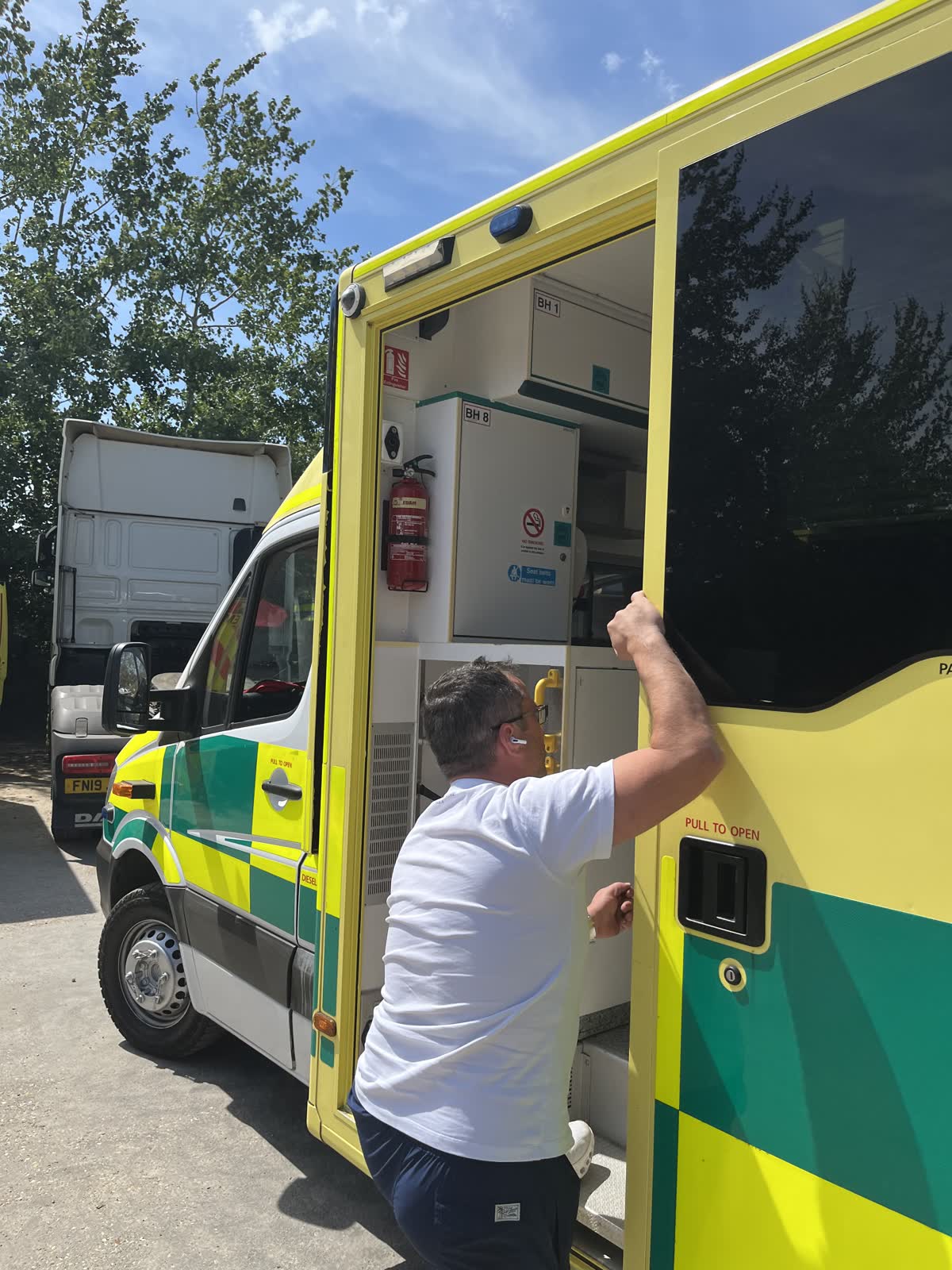
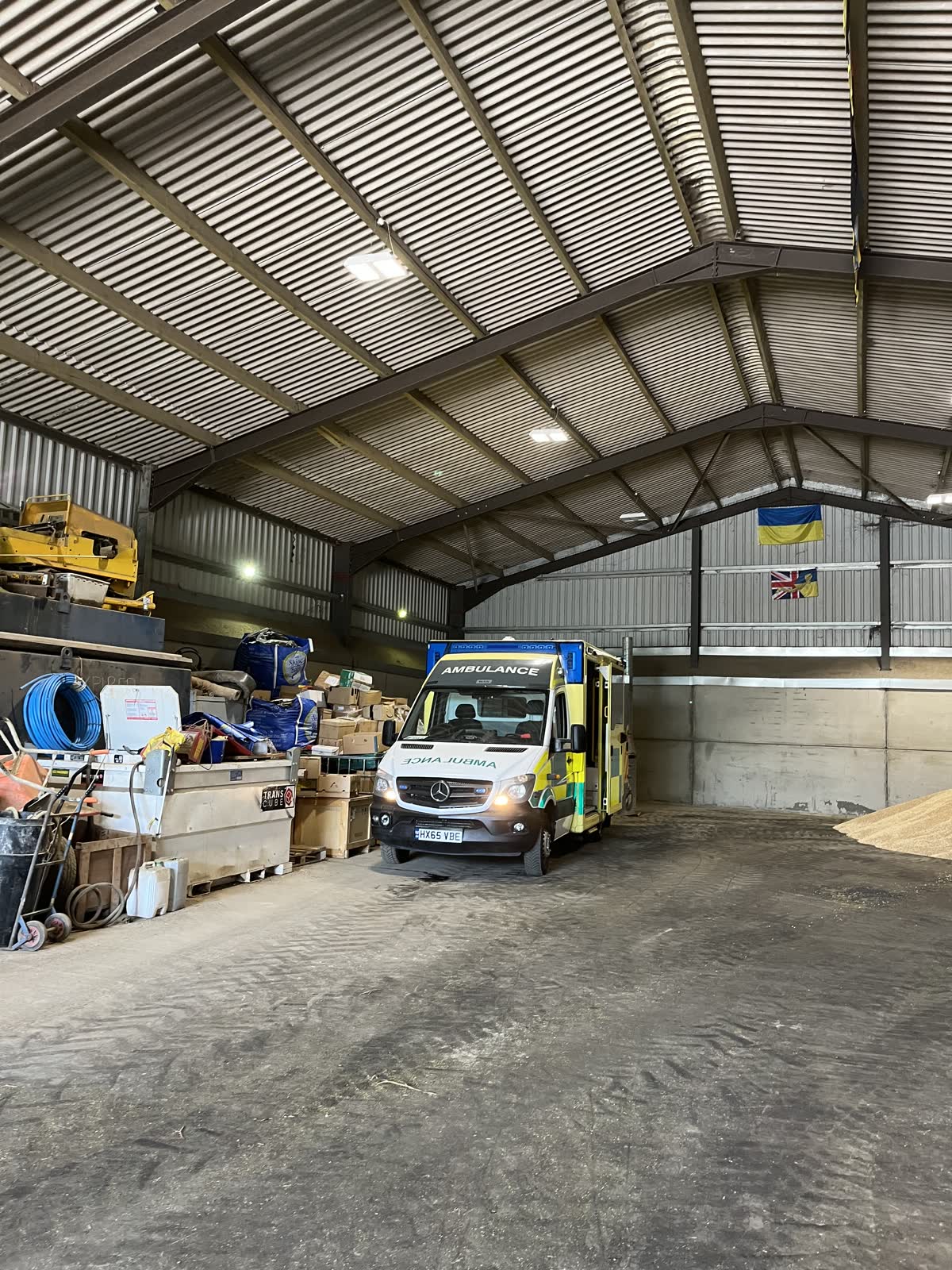
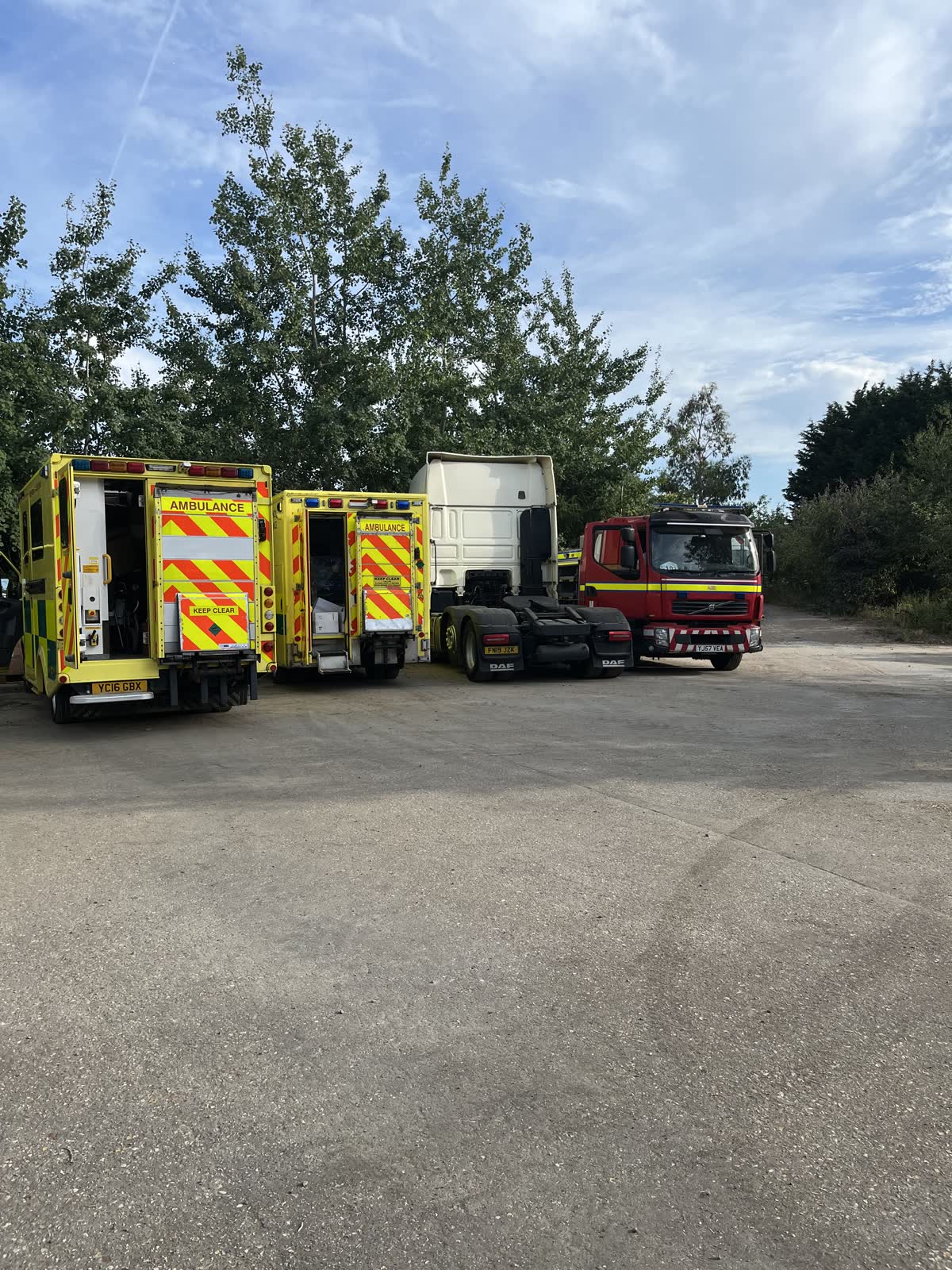
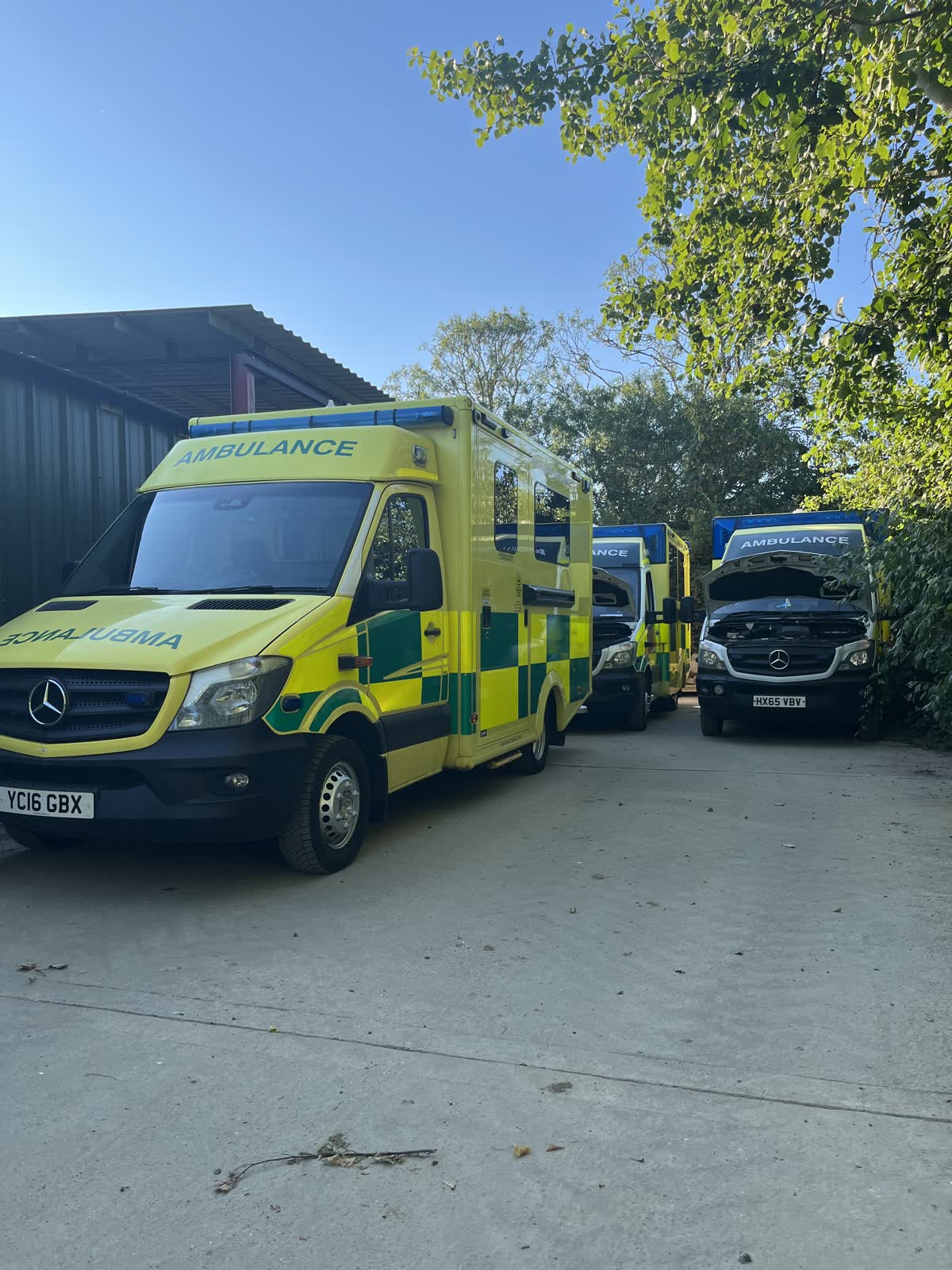
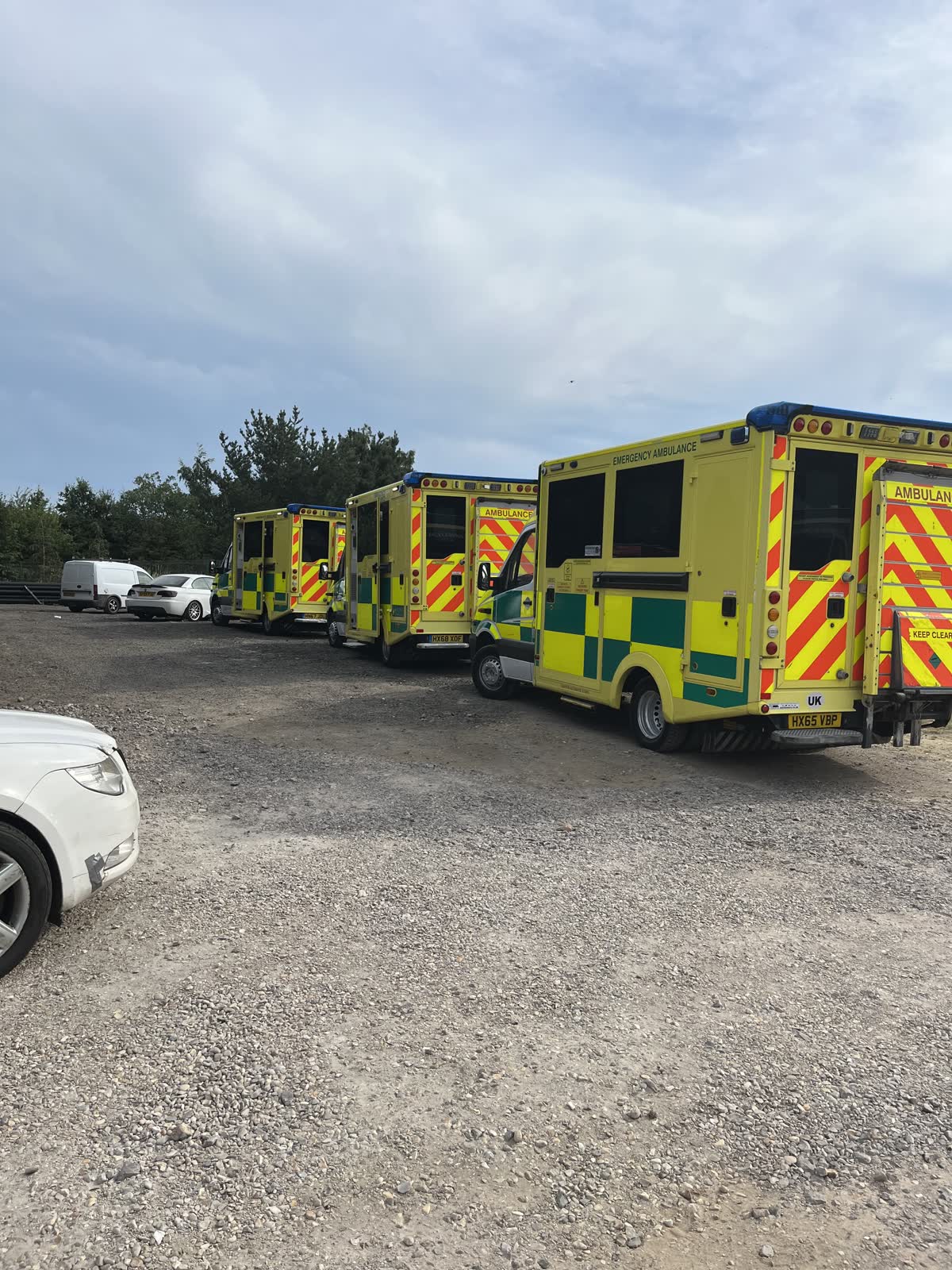
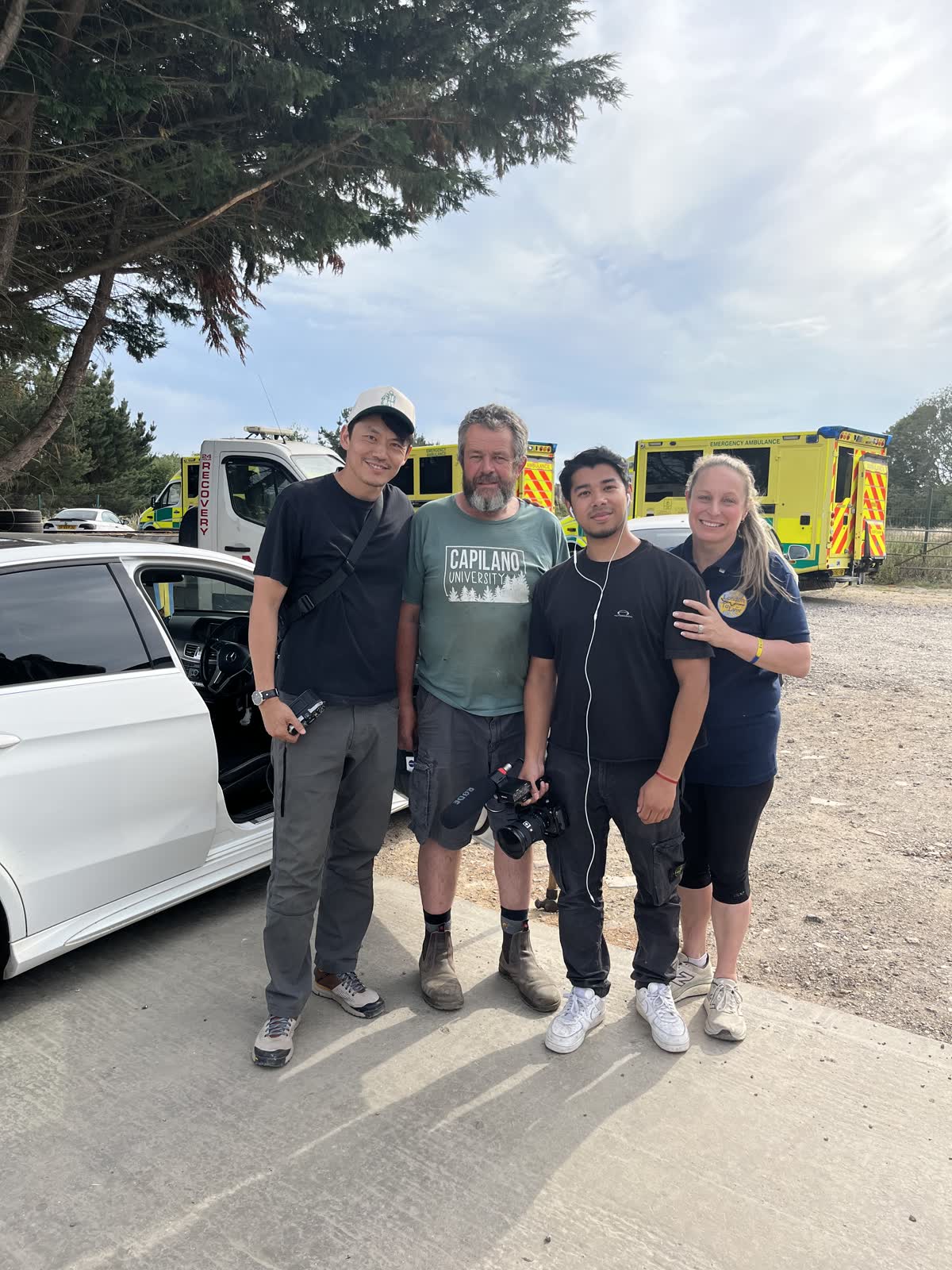
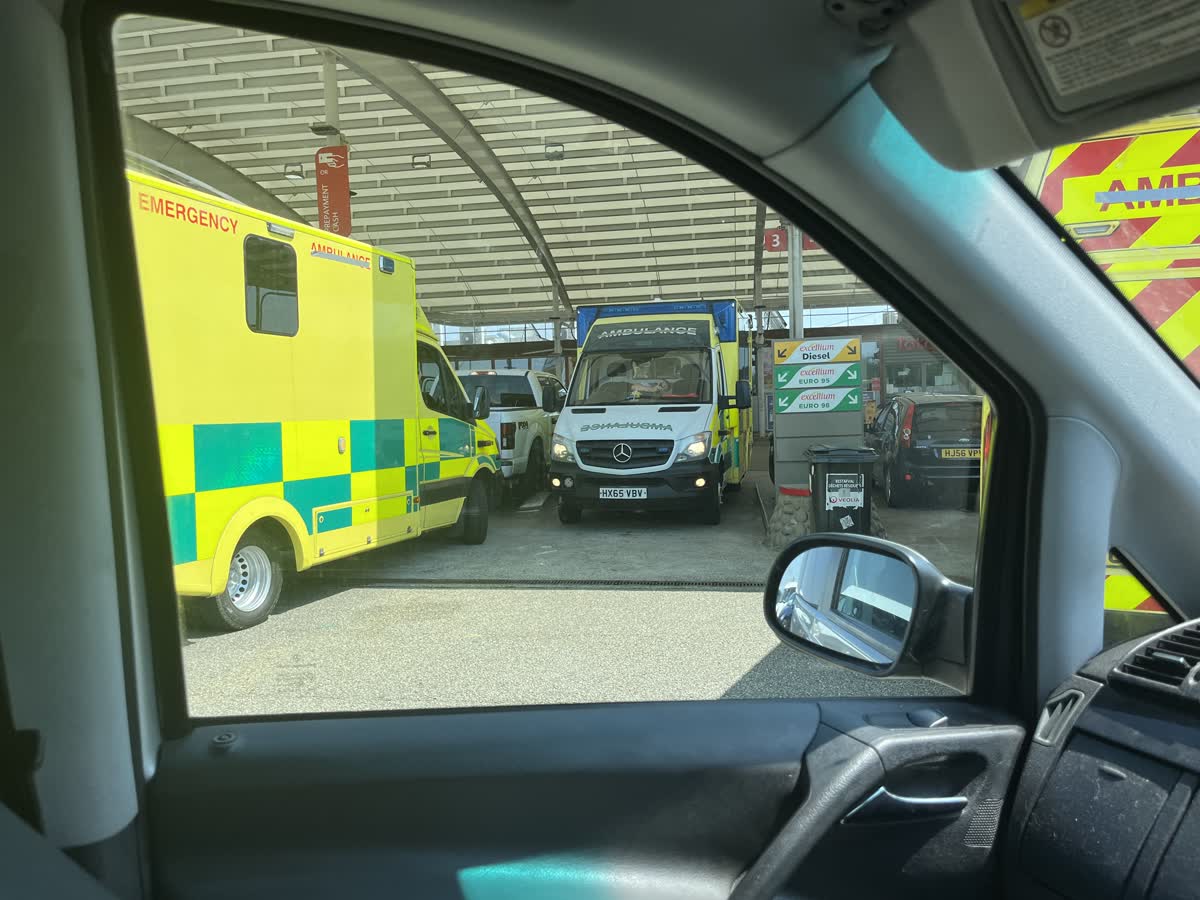
This is what happens when ordinary people refuse to stand by and do nothing. Eleven vehicles, driven by volunteers from London across Europe and handed over at the border to Ukrainian drivers who took them the rest of the way. Six ambulances. A minibus named Stefan. Four support vehicles. Every one of them loaded with medical and humanitarian aid. Not governments. Not armies. Ordinary people doing whatever they can do to help.
London to Lviv: A Convoy of Hope was not a government programme. It was not a military operation. It was a group of ordinary people who looked at what was happening in Ukraine and made a decision: we will not stand by.
Eleven vehicles. Sourced in the United Kingdom. Driven across Europe by volunteers. Handed over at the border in July 2026 to Ukrainian drivers, who delivered them to Lviv and on to the associated charities and medical units that received them. Every vehicle packed to capacity with a wide range of medical aid and medical equipment, humanitarian aid, pet food and supplies for orphanages. No medications: we are not permitted to ship medicines.
Convoys never go exactly to plan, and this one didn't either. The route had to change on the road, so the team put their heads down and drove: London to the border in three days, and the handover there. Ukrainian drivers took it on from that point.
Every vehicle on this convoy was chosen because it was desperately needed and could not be easily sourced inside Ukraine. These were not symbolic gestures. They are life-saving operational assets, driven from London to Lviv by volunteers and Ukrainian drivers, and they are at work in Ukraine right now.
A convoy is only worth anything if you can say where every vehicle ended up. Eight of the handovers are evidenced by Ukrainian humanitarian aid declarations naming the receiving organisation, its state registration number and its entry on the humanitarian aid register. Four organisations received vehicles from this convoy.
These are registered Ukrainian charities and public organisations, not individuals. We hold the paperwork for every one.
Nothing came home. Three ambulances and two fire engines are still at Church Farm in Sussex waiting on transport, and they are the subject of the appeal further down this page.
The original route had to change once the convoy was rolling. So the team did what this whole mission has always done: adapted, and kept going. Eight loaded vehicles, London to the Ukrainian border, in three days flat. Three more joined them at the border.
📍 Exact routing and timing was never published in advance, for operational and security reasons. The same discipline will apply to the next convoy.
One convoy delivered does not end a war. The next mission is already forming: a convoy of 4x4 medical evacuation vehicles for frontline medics, driven by volunteer crew from London to Lviv. Medevac capability, the ability to move a wounded person off a battlefield, is the single most urgent need we hear from the front. You can fund it. Or you can drive it.
Every donor. Every sponsor. Everyone who put their name on an ambulance, fuelled a tank, packed a box, shared a post, or drove a vehicle across a continent. Eleven vehicles are saving lives in Ukraine right now because ordinary people refused to stand by. Thank you. Every name written on those ambulances made the journey, and stays with them.
A few moments from the road: the loading, the driving, and the memorial in Ukraine that reminds everyone exactly why convoys like this exist.
Filmed by the crew as it happened. Nothing staged, nothing tidied up.
Eleven vehicles crossed a continent because a small number of people decided they would. Some of them need naming properly.
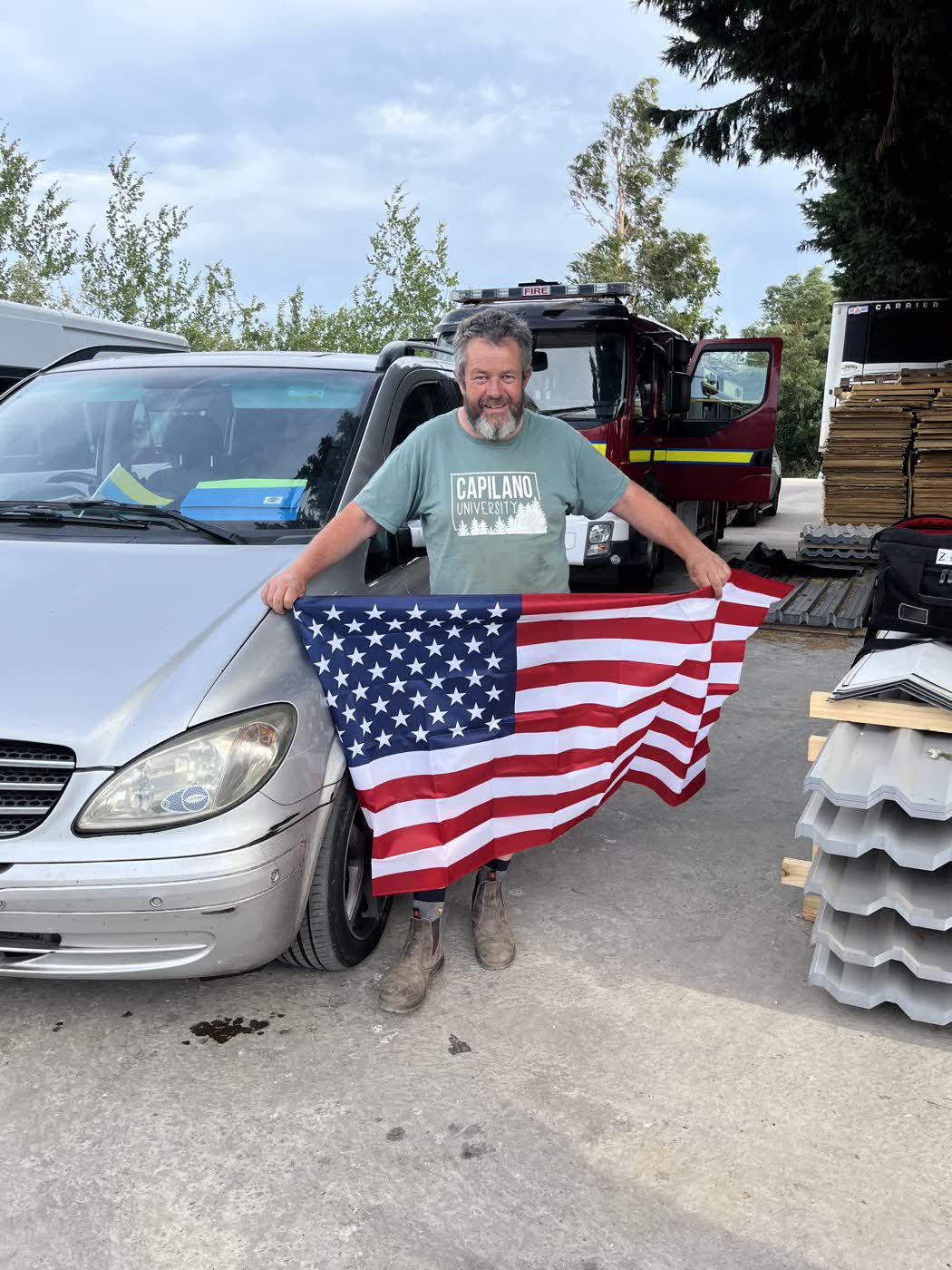
This convoy was funded from America. Not topped up, not helped along. Funded. The overwhelming majority of the money that bought six ambulances, the minibus Stefan and four support vehicles came from donors in the United States, and without them not one of those vehicles would have left the yard.
They are thousands of miles from Ukraine. Most of them will never meet a single person they have helped, and not one of them asked to. They read what was needed, they understood what it would cost, and they paid for it.
Eleven vehicles are working in Ukraine tonight because of Americans who decided this mattered. That flag was flown on the farm for a reason.
Hearts of gold, every single one of you. Thank you.
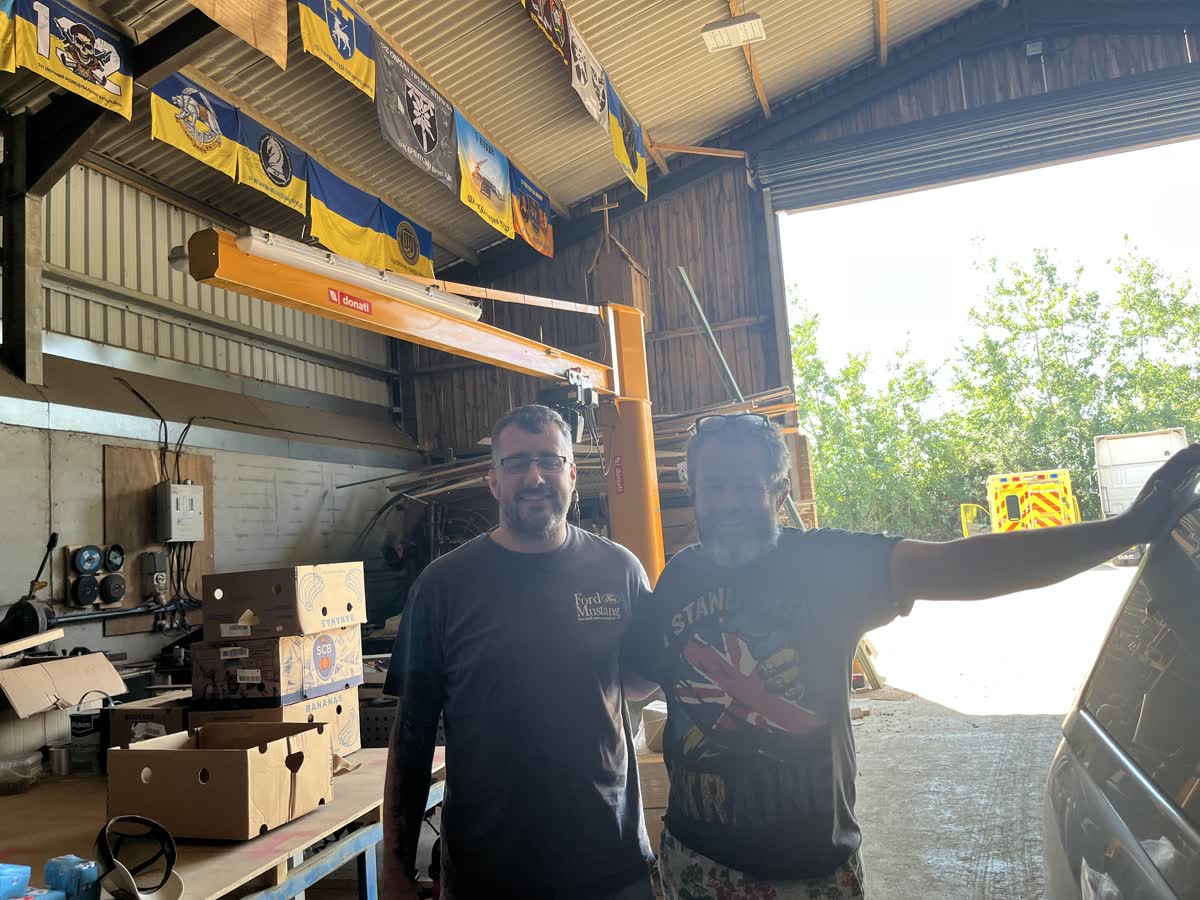
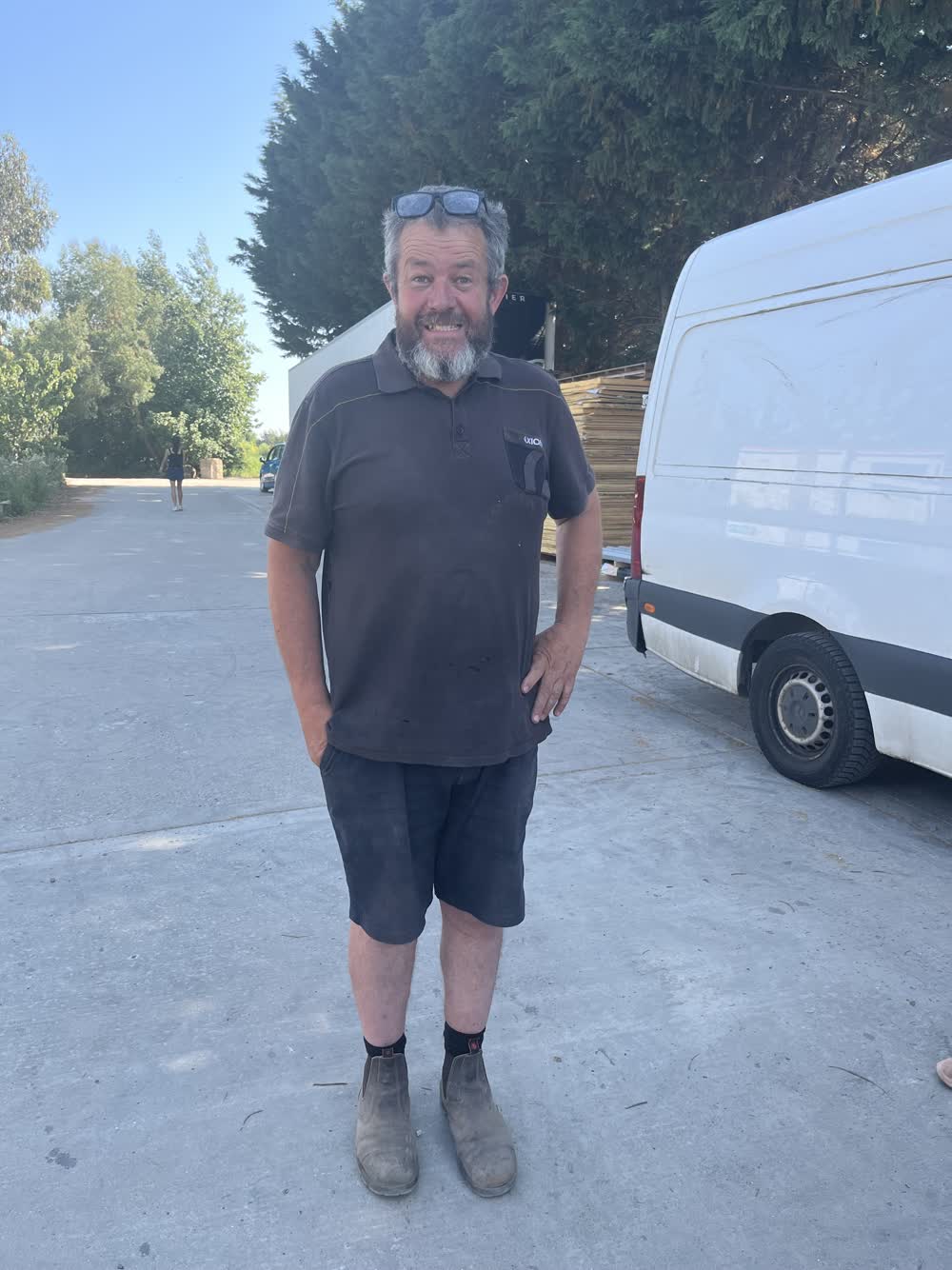
Every convoy has to become a convoy somewhere. Eleven vehicles have to be gathered, stored, worked on and loaded, and somebody has to be willing to let all of that happen on their land, for weeks, for nothing.
James Baird, an arable farmer in West Sussex, is that somebody. He gave this mission room, hands and time, and he never once made any of it feel like a favour being done. Six ambulances, the minibus Stefan and four support vehicles reached Ukraine because a farmer in Sussex said yes and kept saying yes.
This is not his first convoy and it will not be his last. James has run more than a hundred vehicles into Ukraine with Pick-ups for Peace, the charity run by British farmers, and set up a distribution centre in Kryvyi Rih so the aid actually reaches the people it was sent for.
Take James out of this story and there is no story. Thank you.
And to every volunteer driver, every Ukrainian driver who met us at the border, and everyone who packed a box: thank you. The vehicles are already saving lives.
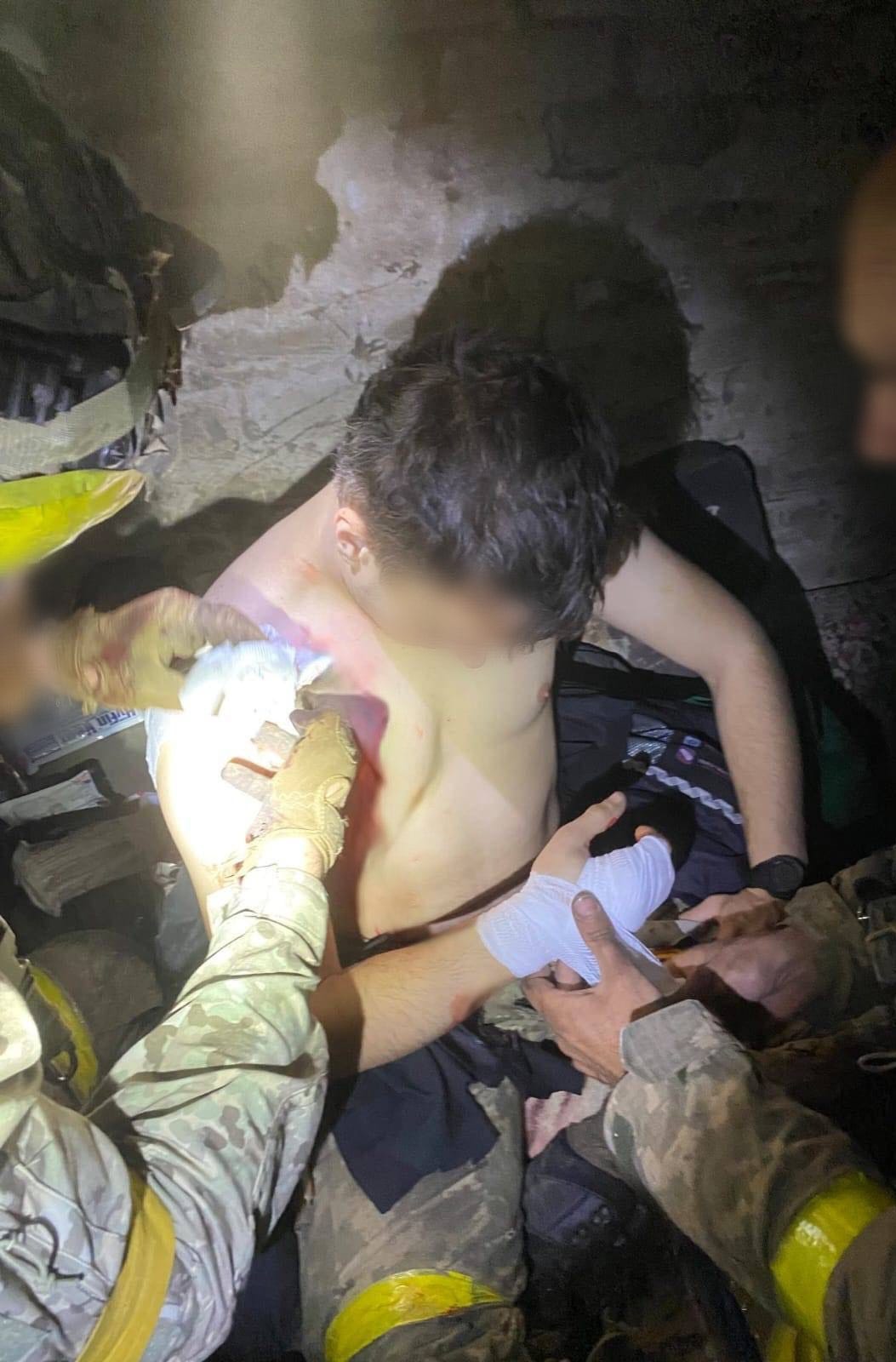
From a decision to a delivery in four months. This is what ordinary people can do.
Eleven vehicles handed over at the border: six ambulances, the minibus Stefan, named in honour of a fallen Scottish soldier, and four support vehicles, every one packed with medical aid, medical equipment, humanitarian aid, pet food and supplies for orphanages. Team Cannonball's volunteers ran London to the border in three days and handed over the keys there. Ukrainian drivers took the vehicles on to Lviv and out to the medical units and communities receiving them. The vehicles are already at work.
London to Lviv: A Convoy of Hope officially got underway. Vehicle procurement began, the manifest was built, and donations started bringing the convoy closer to the road.
The next convoy is already forming: 4x4 medical evacuation vehicles for frontline medics, driven by volunteer crew. Crew places are open now.
Eleven vehicles delivered is a story worth telling. Every share reaches someone who might fund, or drive, the next convoy.
You don't have to drive the convoy to be part of it. Every donation funds a vehicle, fills a box with medical supplies, or keeps a medic equipped. This convoy moves because people like you decided not to stand by. Join them.